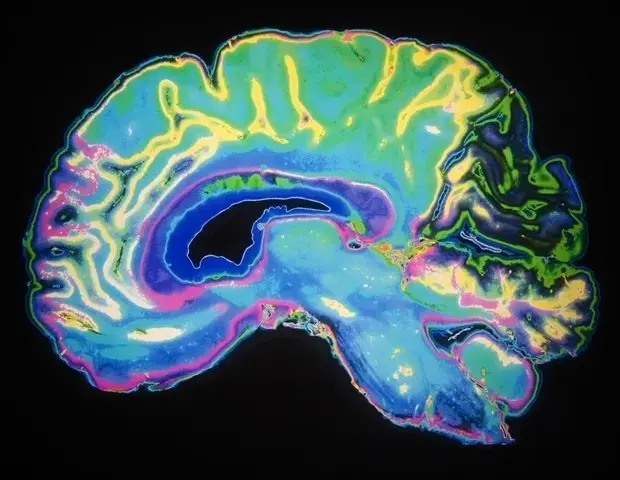
Brain Circuits Behind OCD Symptoms Uncovered
Mapping the Brain's Fault Lines
Researchers at the Champalimaud Foundation in Lisbon identified brain circuits responsible for triggering OCD symptoms in rare cases caused by brain injuries. This breakthrough came after studying patients who developed OCD following a stroke or tumor. The study was reviewed on July 7, 2026.
Health news
 Sleep May Be the Heart's Nightly Repair Window, Study Suggests
 APOE Genotype Influences How Well Blood Tau Protein Predicts Cognitive Decline
 Pancreatic Cancer Hijacks Blood-Clotting System to Evade Immune Attack
 Survey Reveals Most Men Unaware Dairy May Increase Prostate Cancer Risk
Most of the time, the origin of obsessive-compulsive disorder (OCD) is unknown. However, in some rare cases, it starts after a brain injury. By analyzing these lesionalOCD cases, scientists aimed to understand the underlying brain mechanisms.
Can Brain Injuries Unlock OCD Secrets?
The researchers mapped brain damage in patients who developed OCD after a brain injury. They found that specific brain circuits were affected in these cases. The team used this information to identify common patterns and areas of the brain involved in OCD symptoms.
The study revealed that the brain's circuitry plays a crucial role in the development of OCD symptoms. By understanding these circuits, scientists can gain insight into the disorder's underlying mechanisms. This is a significant step forward in understanding OCD,the researchers noted.
The discovery raises questions about the link between brain injuries and OCD. Can studying these rare cases provide a key to understanding the disorder more broadly? The researchers believe that their findings have implications for the wider OCD population.
Frequently Asked Questions
Understanding the brain circuits behind OCD symptoms could lead to new treatments and therapies. By targeting specific areas of the brain, scientists may be able to develop more effective interventions.
What is lesional OCD? Lesional OCD refers to cases of OCD that develop after a brain injury, such as a stroke or tumor. It is a rare form of the disorder. How common is lesional OCD? Lesional OCD is relatively rare compared to other forms of OCD, which often have unknown causes. Can understanding lesional OCD help treat other forms of the disorder? Yes, studying lesional OCD can provide valuable insights into the underlying brain mechanisms that contribute to OCD symptoms more broadly.
Content written by Dr. Nathan Cole for wellness-bio-radar.com editorial team, AI-assisted.