
Child Survival Gains Stall Globally
The Rising Challenge of Newborn Deaths
Global efforts to lower deaths among newborns, children, and teenagers have slowed significantly since 2015. A new analysis reveals a concerning trend, impacting progress towards UN Sustainable Development Goals. The study examined data from across the globe, highlighting disparities in survival rates. It focuses on preventable deaths before a child reaches adolescence.
Health news
 Voice Recording Predicts Age, Reveals New Biological Clock
 Popular Zero-Calorie Sweeteners May Pass Effects to Future Generations
 Movement Patterns Linked to Longevity
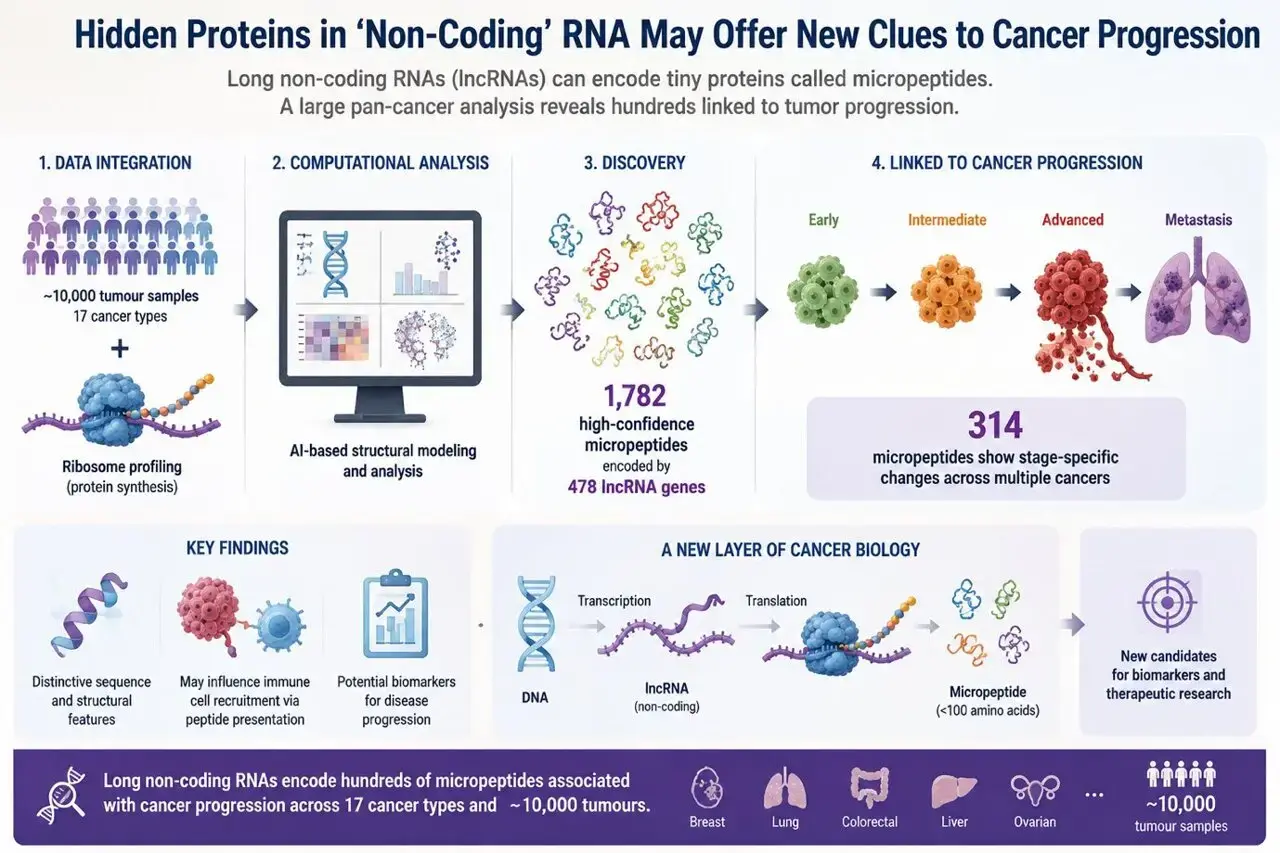 Hidden Proteins In Non-Coding RNA May Explain Cancer Spread
Previously, substantial reductions in child mortality were observed. Improvements in healthcare access, vaccinations, and nutrition played key roles. However, the rate of decline has diminished in recent years. This slowdown threatens to reverse decades of progress. Researchers point to factors like conflict, climate change, and inadequate healthcare systems as contributors.
Newborns remain particularly vulnerable. Nearly half of all deaths in children under five occur within the first 28 days of life. These deaths are often linked to prematurity, birth complications, and infections. Addressing these issues requires skilled birth attendants and access to essential newborn care. Many low-income countries struggle to provide these crucial services consistently.
Can We Get Back on Track?
The analysis reveals regional variations in newborn mortality. Sub-Saharan Africa continues to have the highest rates. Progress in some areas has been offset by setbacks in others. Conflict zones and areas experiencing economic instability face the greatest challenges. Limited access to clean water and sanitation further exacerbates the problem.
The slowdown isn’t uniform across all age groups. Adolescent mortality, while still a concern, has seen relatively better progress. However, issues like road traffic accidents, suicide, and violence remain significant threats. Strengthening adolescent health services, including mental health support, is crucial.
Researchers emphasize the need for renewed commitment and investment. Prioritizing primary healthcare and strengthening health systems are essential. Targeted interventions are needed to reach the most vulnerable populations. Data collection and monitoring must also improve to track progress effectively. Without significant changes, achieving the Sustainable Development Goal of ending preventable child deaths by 2030 will be impossible. The current trajectory suggests a widening gap, potentially leaving millions of children at risk.
Frequently Asked Questions
What factors are contributing to the slowdown in child survival rates? Conflict, climate change, and inadequate healthcare infrastructure are major contributors. These issues disrupt access to essential services and increase vulnerability to preventable diseases. Economic instability also plays a significant role.
Why are newborn deaths so prevalent? Newborns are particularly vulnerable to complications during birth, prematurity, and infections. Many low-income countries lack the resources to provide adequate newborn care, including skilled birth attendants and essential medical equipment.
Is progress still possible? Yes, but it requires renewed commitment, increased investment in primary healthcare, and targeted interventions to reach the most vulnerable populations. Improved data collection and monitoring are also essential to track progress and adjust strategies accordingly.
Content written by Dr. Elena Voss for wellness-bio-radar.com editorial team, AI-assisted.