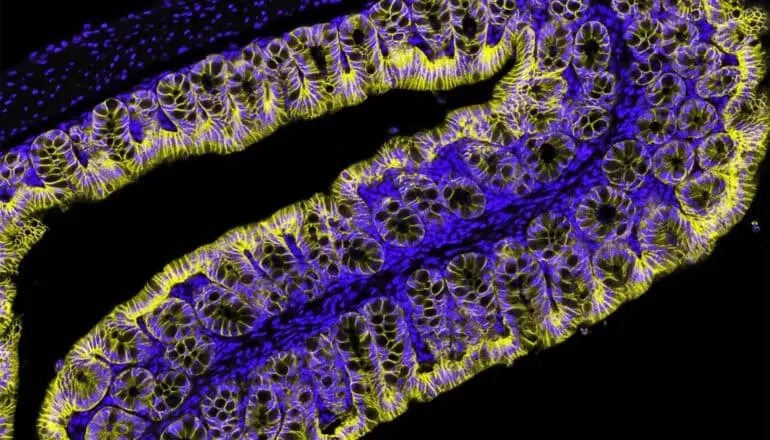
Gut Antibodies May Help Protect Against Colon Cancer
Why IgA Matters for Gut Defense
Scientists have discovered that antibodies coating the gut lining play a critical role in preventing colon cancer. The research, published in Nature, examined mice lacking immunoglobulin A (IgA). These mice developed more than twice as many colon tumors compared to healthy controls. The findings suggest this antibody class acts as a first-line defense against cancerous cell formation in the colon.
Health news
 Exercise and Mood: Italian Study Links Physical Activity to Lower Depression Symptoms
 Screen Time in Childhood Linked to Unexpected Cognitive Boost in Teens, 8‑Year Study Shows
 Workplace stress and anxiety are taking a heavy toll on employees, with one in three workers reporting that the strain is not easing
 Daily Food Habit Tied to Lower Risk of Anxiety and Depression
The study revealed why this protection works. IgA antibodies help maintain the integrity of the gut barrier. Without them, harmful substances and microbes penetrate the intestinal wall more easily. This breach allows pre-cancerous cells to thrive and multiply. The result is a significantly higher tumor burden in the colon.
What Does This Mean for Human Patients?
Immunoglobulin A is the dominant antibody type found in mucosal tissues. It works by binding to pathogens and neutralizing them before they cause damage. In the gut, this function is vital. The study showed that when IgA is absent, the gut lining becomes vulnerable. This vulnerability creates an environment where abnormal cell growth accelerates. Researchers believe this mechanism explains the dramatic increase in tumors observed in the experimental mice.
The findings raise important questions for clinical practice. If IgA deficiency increases colon cancer risk, could monitoring antibody levels help identify at-risk patients? The study focused on mice, but the biological pathway is conserved across mammals. This suggests the same mechanism likely operates in humans. Future trials may explore whether boosting IgA production offers a preventive strategy.
Does lack of IgA directly cause colon cancer? No, the study shows a strong association rather than direct causation. Mice without IgA developed twice as many tumors, indicating a protective role for the antibody.
Frequently Asked Questions
Can humans test for IgA levels to assess risk? The study does not yet confirm a clinical test. However, it opens the door to future diagnostic tools that measure mucosal antibody presence.
How common is IgA deficiency in humans? IgA deficiency is a recognized immune disorder affecting a small percentage of the population. This study highlights why such patients may face elevated colon cancer risk.