Immune Cell Defects Drive Celiac Disease
Rethinking Autoimmune Disease Mechanisms
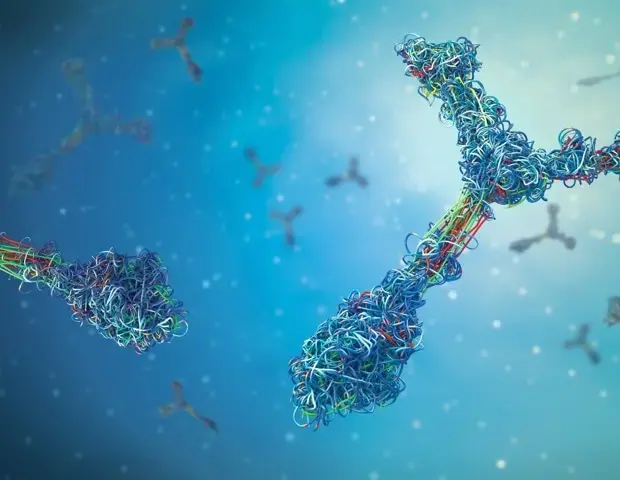
Researchers at the Walter and Eliza Hall Institute have made a groundbreaking discovery about celiac disease. New research from the Snow Centre for Immune Health challenges long-held assumptions about autoimmune disease. The study was published in Immunology & Cell Biology on June 9. It reveals that celiac disease may be driven by defects in immune cells.
Health news
 Sleep May Be the Heart's Nightly Repair Window, Study Suggests
 APOE Genotype Influences How Well Blood Tau Protein Predicts Cognitive Decline
 Pancreatic Cancer Hijacks Blood-Clotting System to Evade Immune Attack
 Survey Reveals Most Men Unaware Dairy May Increase Prostate Cancer Risk
The research indicates that celiac disease is not just caused by an overactive immune system, but by subtle defects in how immune cells function. This challenges the traditional view that autoimmune diseases are solely the result of an overactive immune response. The study's findings suggest a more complex underlying mechanism.
Can Immune Cell Defects be Reversed?
The researchers found that immune cells in people with celiac disease have defects that contribute to the disease's development. These defects affect how immune cells respond to gluten, a protein found in wheat, barley, and rye. The study provides new insights into the underlying causes of celiac disease.
Understanding the role of immune cell defects in celiac disease could lead to new treatments. If these defects can be addressed, it may be possible to develop more effective therapies for the disease. The research has significant implications for the management and treatment of celiac disease.
Frequently Asked Questions
The discovery of immune cell defects in celiac disease opens up new avenues for research into the disease's causes and treatment. Further studies will be needed to fully understand the implications of these findings.
What is the main finding of the research? The study found that celiac disease is driven by defects in immune cells, not just an overactive immune system. How do immune cell defects contribute to celiac disease? The defects affect how immune cells respond to gluten, leading to the disease's development. Can this research lead to new treatments? Yes, understanding immune cell defects could lead to more effective therapies for celiac disease.
Content written by Claire Ashworth for wellness-bio-radar.com editorial team, AI-assisted.