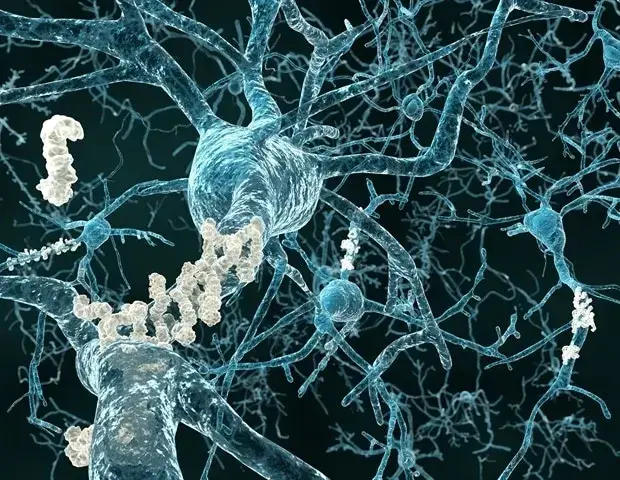
Blocking Immune Pathway Slows Huntington's Disease
Targeting the Immune System
Researchers at Florida Atlantic University have made a breakthrough in understanding Huntington's disease, a rare genetic disorder that destroys nerve cells. The study, conducted in June 2026, used mouse models to investigate the disease's progression. Huntington's affects coordination, memory, and mood.
Health news
 Sleep May Be the Heart's Nightly Repair Window, Study Suggests
 APOE Genotype Influences How Well Blood Tau Protein Predicts Cognitive Decline
 Pancreatic Cancer Hijacks Blood-Clotting System to Evade Immune Attack
 Survey Reveals Most Men Unaware Dairy May Increase Prostate Cancer Risk
Huntington's disease is caused by a mutation in the huntingtin gene, leading to worsening movement, cognitive, and psychiatric symptoms. The fatal condition progressively destroys nerve cells, making it difficult for patients to think clearly. Although treatment options are limited, researchers have been exploring new avenues to slow the disease's progression.
The study found that blocking a specific immune pathway slowed the progression of Huntington's disease in mouse models. By targeting this pathway, researchers were able to reduce the disease's severity. This discovery provides new insights into the disease's underlying mechanisms and potential therapeutic strategies.
Can Immune Modulation Halt Disease Progression?
The researchers' findings suggest that the immune system plays a crucial role in the disease's progression. By understanding how the immune system contributes to the disease, scientists can develop more effective treatments. The study's results are promising, but further research is needed to confirm the findings.
The study's results raise important questions about the potential for immune modulation to halt or slow Huntington's disease progression. If the findings are translated to humans, it could lead to new treatment options for patients.
The discovery has significant implications for the treatment and management of Huntington's disease. As researchers continue to explore the link between the immune system and the disease, patients may benefit from new therapeutic strategies. Further research is needed to fully understand the disease's mechanisms and develop effective treatments.
Frequently Asked Questions
What is Huntington's disease? Huntington's disease is a rare genetic disorder that destroys nerve cells, leading to worsening movement, cognitive, and psychiatric symptoms. It is caused by a mutation in the huntingtin gene.
Can blocking the immune pathway cure Huntington's disease? The study found that blocking a specific immune pathway slowed the disease's progression in mouse models, but it is not a cure. Further research is needed to confirm the findings and develop effective treatments.
How does the immune system contribute to Huntington's disease? The study suggests that the immune system plays a crucial role in the disease's progression, but the exact mechanisms are still unclear. Further research is needed to understand the link between the immune system and the disease.
Content written by Dr. Elena Voss for wellness-bio-radar.com editorial team, AI-assisted.