
Oral GLP‑1 Agent Elecoglipron Triggers Up to 12% Weight Loss in Adults
Dose‑Response Shows Steady Weight Decline
A clinical trial published on June 11, 2026 reports that elecoglipron, a once‑daily oral GLP‑1 receptor agonist, led adults with obesity or excess weight to lose as much as 11.8 % of their body weight. The study enrolled participants across multiple U. S. sites and measured outcomes over a 24‑week period.
Health news
 Voice Recording Predicts Age, Reveals New Biological Clock
 Popular Zero-Calorie Sweeteners May Pass Effects to Future Generations
 Movement Patterns Linked to Longevity
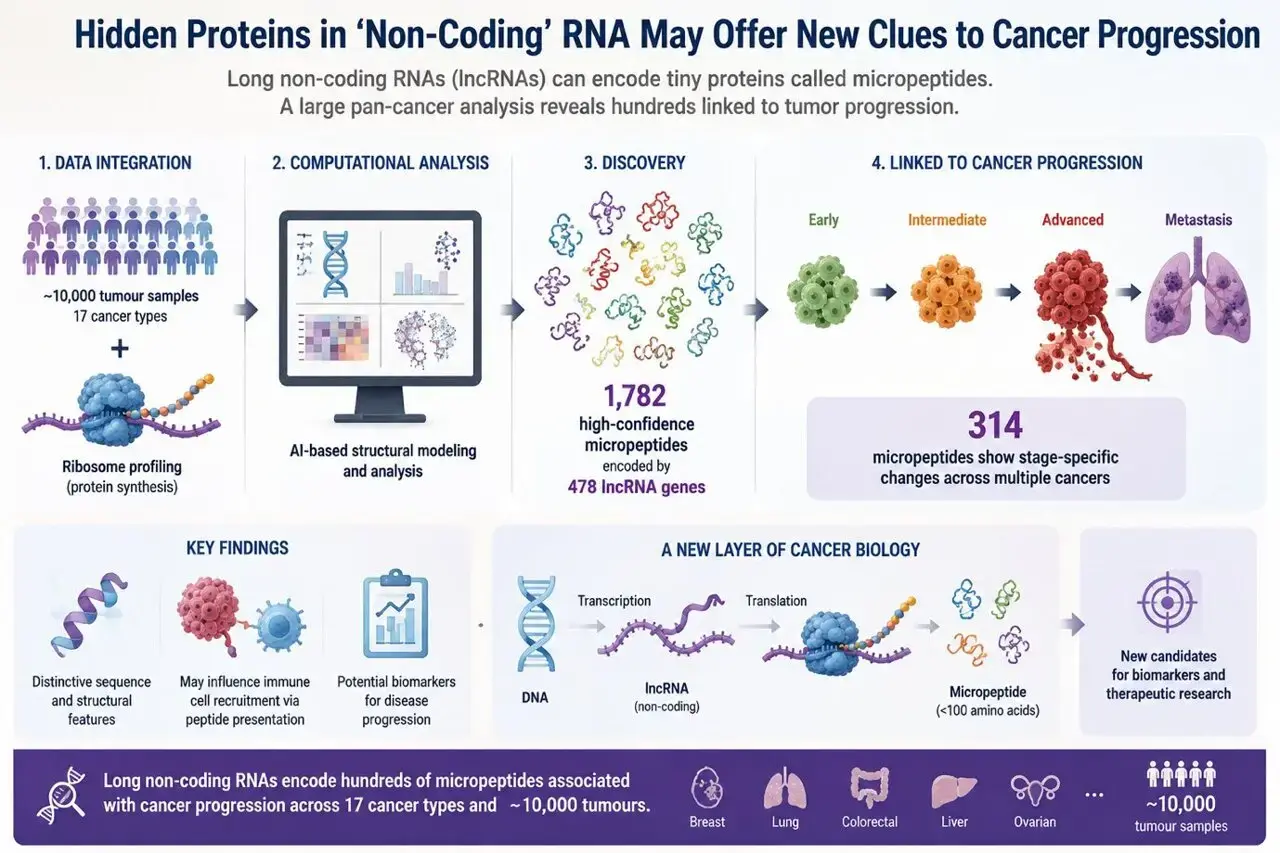 Hidden Proteins In Non-Coding RNA May Explain Cancer Spread
The trial tested three dose levels of the small‑molecule drug, comparing them to placebo. Researchers observed a clear dose‑dependent reduction in weight without requiring participants to follow specific diet or fluid restrictions. The findings suggest that elecoglipron could become a convenient alternative to injectable GLP‑1 therapies, which often demand strict administration schedules.
Participants receiving the lowest dose lost an average of 5.2 % of their baseline weight. The middle dose produced a 7.9 % reduction, while the highest dose achieved the 11.8 % loss reported in the headline. Weight loss began within the first two weeks and continued to improve throughout the study. No severe adverse events were linked to the medication, and most side effects were mild gastrointestinal complaints that resolved quickly.
Could Elecoglipron Replace Injectable GLP‑1 Therapies?
The researchers highlighted that the oral formulation bypasses the need for injections, a factor that may improve adherence among patients hesitant about needles. Moreover, the drug’s mechanism mirrors that of existing injectable GLP‑1 agents, stimulating insulin release and promoting satiety. The trial’s success paves the way for a larger phase 3 investigation that will assess long‑term safety and efficacy.
Experts caution that while the early data are promising, broader studies are required before elecoglipron can supplant injectable options. Dr. Susan Patel, an endocrinologist not involved in the trial, noted that injectable GLP‑1 drugs have a well‑established safety record and proven cardiovascular benefits. She added that oral agents must demonstrate comparable outcomes in diverse populations before clinicians can fully endorse them.
Nevertheless, the convenience of a pill taken once daily could shift prescribing habits, especially for patients who struggle with injection anxiety. If phase 3 results confirm the current trends, insurers may favor the oral route due to lower administration costs. The pharmaceutical company behind elecoglipron has already announced plans to seek regulatory approval by late 2027.
The trial’s results signal a potential new chapter in obesity treatment, offering a less invasive method to achieve meaningful weight loss. Continued research will determine whether elecoglipron can deliver sustained benefits and become a mainstream option for weight management.
Frequently Asked Questions
How does elecoglipron differ from existing GLP‑1 drugs? Elecoglipron is an oral small‑molecule agonist, whereas most current GLP‑1 treatments are injectable peptides. Both activate the same receptor, but the pill form may improve patient compliance.
What side effects were observed in the trial? The most common adverse events were mild nausea, diarrhea, and abdominal discomfort. These symptoms were transient and did not lead to study discontinuations.
When might the drug become available to the public? If the upcoming phase 3 trial confirms safety and efficacy, regulatory approval could be sought in 2027, with market launch potentially following a year later.
Content written by Marcus Reid for wellness-bio-radar.com editorial team, AI-assisted.