
Prostate Cancer Screening: A Crucial Conversation Often Overlooked
The Risks and Benefits of Prostate Cancer Screening
Millions of men face a crucial decision about whether to undergo prostate cancer screening, but discussions about the risks and benefits are often rare. A recent study highlights the importance of these conversations in guiding men's health decisions.
Health news
 Positive Topline Results From Phase 3 Panorama Study of DT120 ODT in Generalized Anxiety Disorder
 One Popular Sitting Habit May Accelerate Brain Aging, Study Finds
 Whey Protein Hydrolysate Rich in Tryptophan Peptides Reduces Anxiety and Improves Sleep
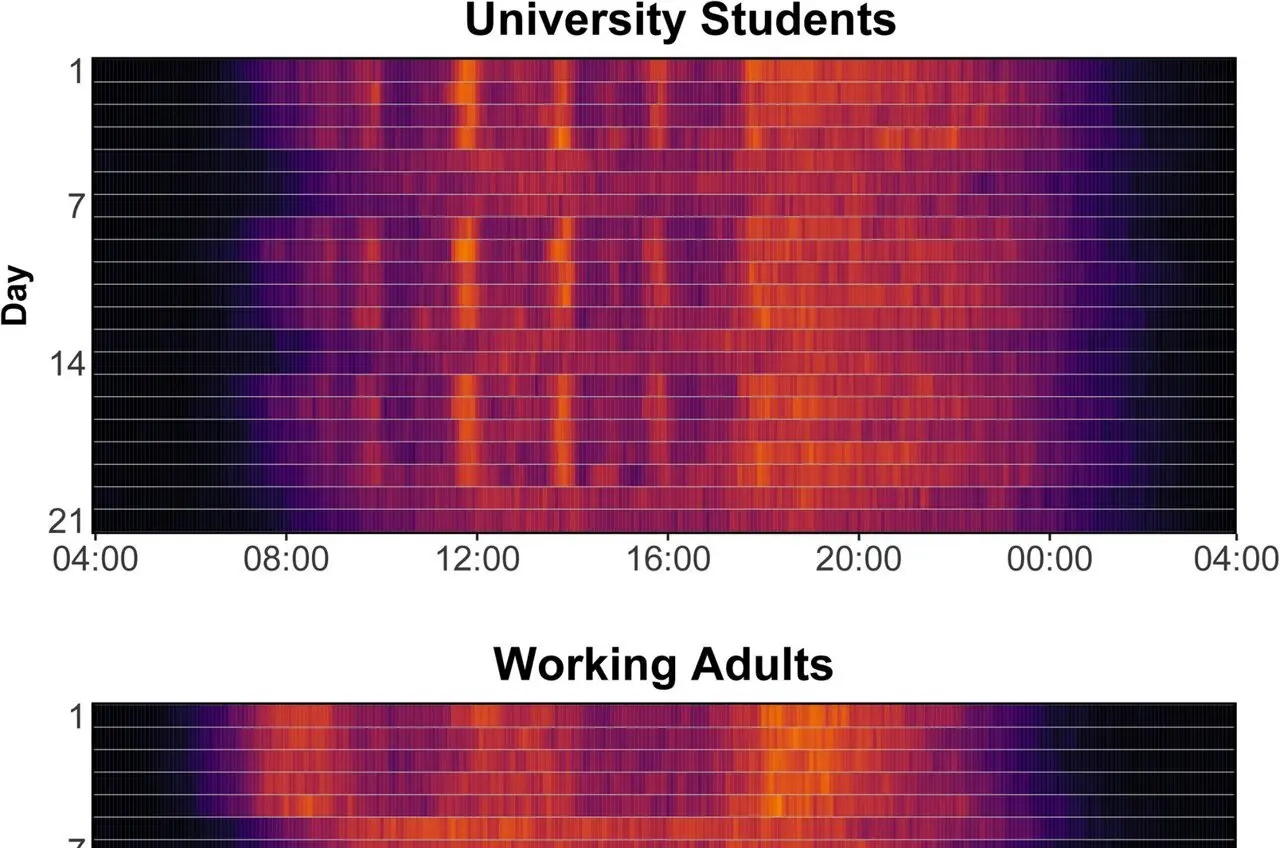 Students Lagg Behind Seniors in Physical Activity, Study Shows
Physician Nicholas Shungu, from the Medical University of South Carolina, investigated the frequency and impact of prostate cancer screening discussions. He found that these discussions are not happening as often as they should, which can lead to confusion and uncertainty for men.
What Do Men Need to Know About Prostate Cancer Screening?
Prostate cancer screening involves a blood test to detect a protein produced by the prostate gland. While the test can help identify cancer early, it also carries risks, such as false positives and overdiagnosis. Men must weigh these risks against the potential benefits of early detection.
The study suggests that discussions about prostate cancer screening can make a significant difference in men's health outcomes. When men are informed about the risks and benefits, they are more likely to make an informed decision about screening.
Frequently Asked Questions
What are the key factors men should consider when deciding about prostate cancer screening? Age, family history, and overall health are crucial factors. Men should also understand the limitations of the test and the potential consequences of a positive result.
The consequences of not having these discussions can be significant. Without a clear understanding of the risks and benefits, men may make uninformed decisions about screening, which can lead to unnecessary anxiety and treatment.
Content written by Claire Ashworth for wellness-bio-radar.com editorial team, AI-assisted.