
The Hidden Progression of Type 2 Diabetes
Unravelling the Cellular Landscape
Over 500 million people worldwide live with diabetes, with type 2 diabetes accounting for the vast majority of cases. Researchers at Hebrew University of Jerusalem have made a groundbreaking discovery. Their study sheds new light on the underlying mechanisms of the disease.
Health news
 Sleep May Be the Heart's Nightly Repair Window, Study Suggests
 APOE Genotype Influences How Well Blood Tau Protein Predicts Cognitive Decline
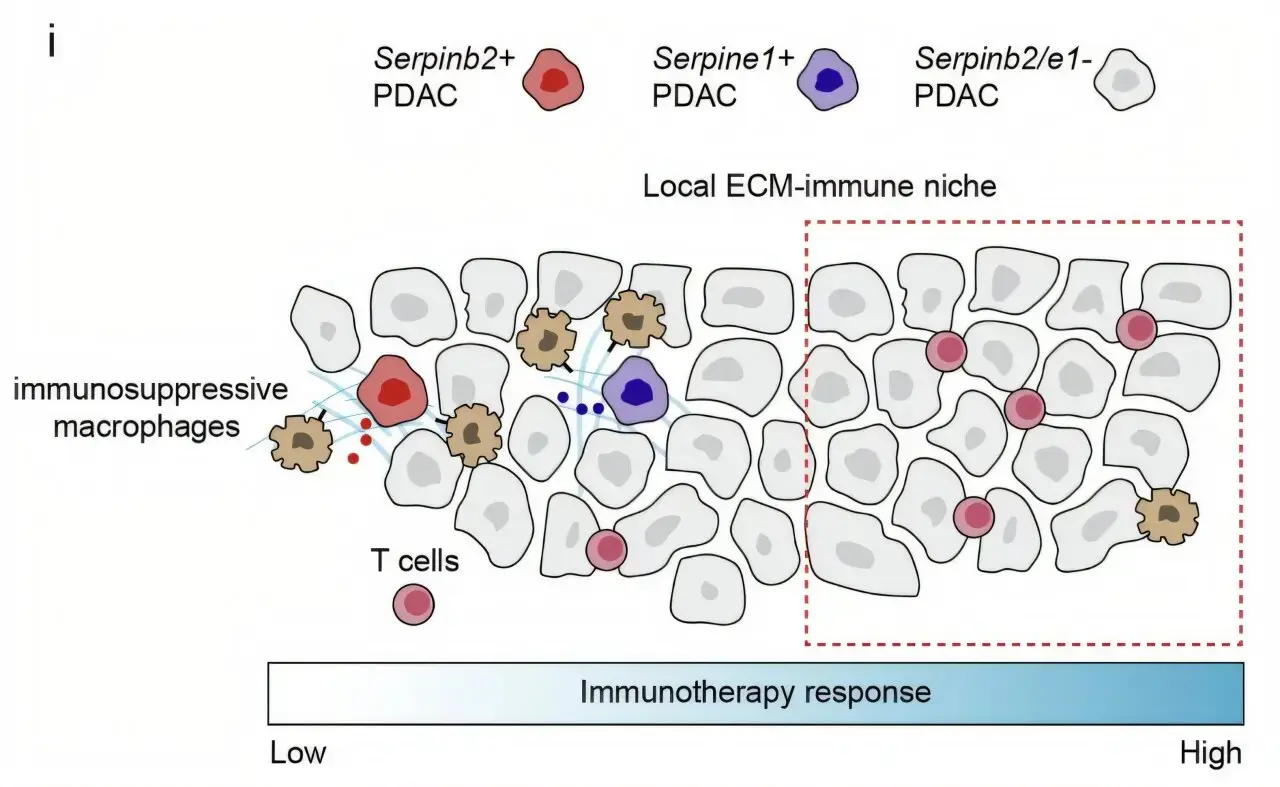 Pancreatic Cancer Hijacks Blood-Clotting System to Evade Immune Attack
 Survey Reveals Most Men Unaware Dairy May Increase Prostate Cancer Risk
Type 2 diabetes is a complex condition characterized by the body's inability to regulate blood sugar levels effectively. The disease is often associated with lifestyle factors, such as obesity and physical inactivity. However, the exact mechanisms driving its progression remain poorly understood.
The research team discovered that DNA plays a crucial role in distinguishing between alpha and beta cells in the pancreas. These cells are essential for glucose regulation, with beta cells producing insulin and alpha cells producing glucagon. The study found that the regulatory landscapes of these cells are cell-type-specific, providing new insights into the molecular mechanisms underlying type 2 diabetes.
Can We Reverse the Damage?
The researchers used cutting-edge techniques to analyze the DNA of pancreatic cells. They identified specific regulatory elements that control gene expression in alpha and beta cells. This knowledge will help scientists better understand how the disease progresses and identify potential therapeutic targets.
The study's findings have significant implications for the development of new treatments. By understanding the molecular mechanisms driving type 2 diabetes, researchers can explore novel approaches to prevent or reverse the disease. Current treatments often focus on managing symptoms, but a deeper understanding of the underlying biology could lead to more effective interventions.
The consequences of type 2 diabetes are far-reaching, with the disease increasing the risk of cardiovascular disease, kidney damage, and other complications. As the global prevalence of diabetes continues to rise, understanding the underlying mechanisms is crucial for developing effective prevention and treatment strategies.
Frequently Asked Questions
What causes type 2 diabetes? Type 2 diabetes is a complex condition caused by a combination of genetic, lifestyle, and environmental factors.
Can type 2 diabetes be reversed? While some cases can be managed through lifestyle changes, the disease is often chronic and requires ongoing treatment.
What are the potential new treatments for type 2 diabetes? Researchers are exploring novel approaches, including targeting specific molecular mechanisms and developing new therapies that address the underlying biology of the disease.
Content written by Claire Ashworth for wellness-bio-radar.com editorial team, AI-assisted.