
COVID-Era Assistance Policies Reduced Food Insecurity
Can Economic Support Programs Be Sustained?
Researchers investigated the effects of minimum wage increases and pandemic assistance on low-income households. In 2018, Caitlin Caspi initiated a five-year study examining the impact of raising the minimum wage on food security and housing stability.
Health news
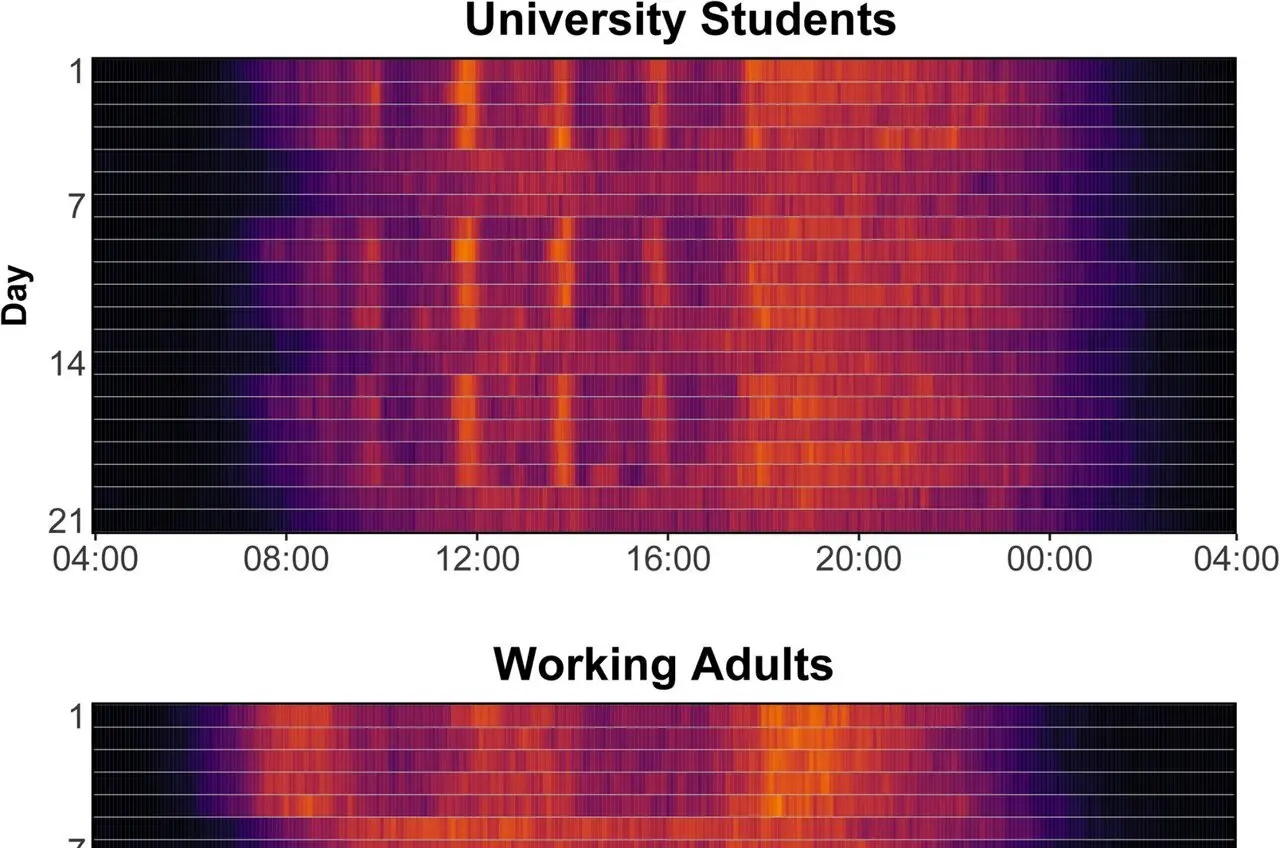 Students Lagg Behind Seniors in Physical Activity, Study Shows
 Sleep May Be the Heart's Nightly Repair Window, Study Suggests
 APOE Genotype Influences How Well Blood Tau Protein Predicts Cognitive Decline
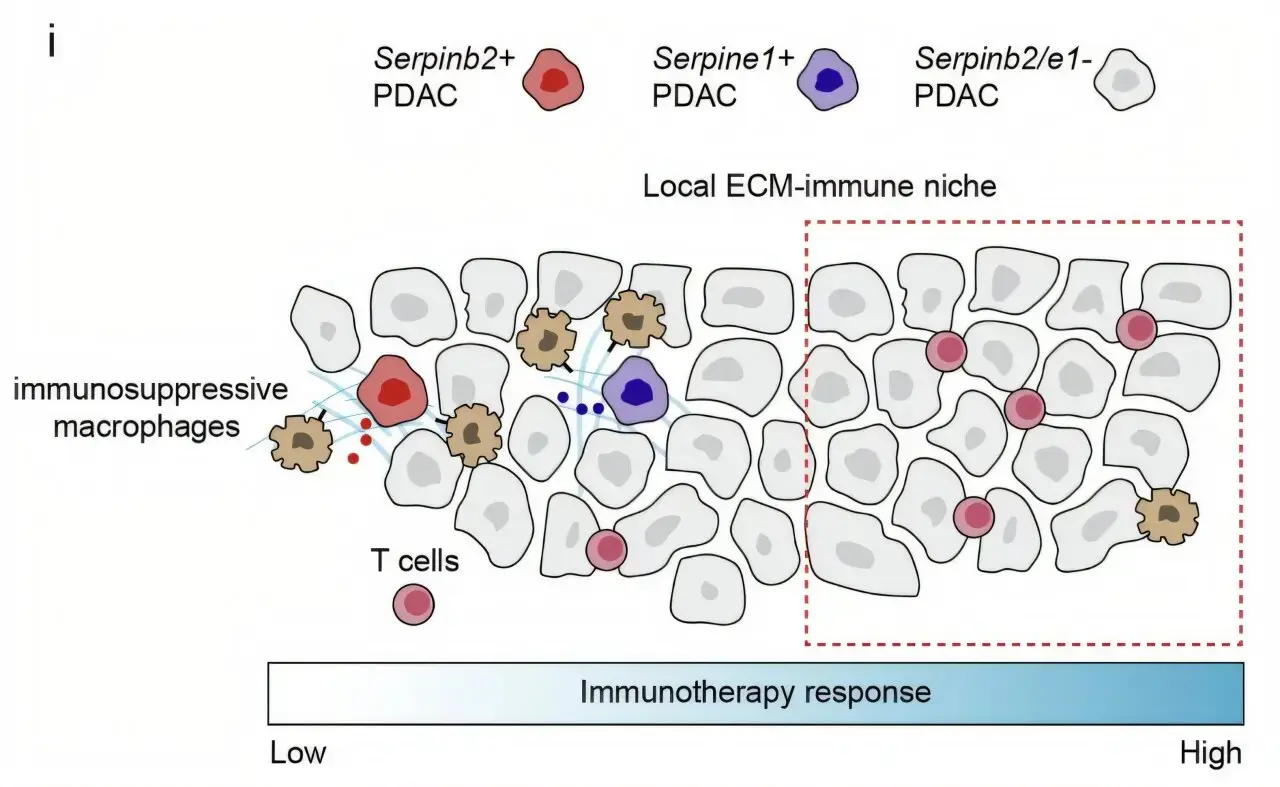 Pancreatic Cancer Hijacks Blood-Clotting System to Evade Immune Attack
The study analyzed data from low-income adults, focusing on the period before and during the COVID-19 pandemic. Pandemic Relief Measures Made a Difference Caspi's research found that COVID-era assistance policies, including stimulus checks and expanded unemployment benefits, significantly reduced food insecurity and housing instability. These policies provided a financial safety net, enabling households to afford basic necessities.
The study's findings suggest that the combination of increased minimum wages and pandemic assistance had a positive impact on low-income households. „We were surprised by the magnitude of the reduction in food insecurity,”Caspi said, highlighting the effectiveness of these policies.
Frequently Asked Questions
As the pandemic subsides, policymakers are grappling with the challenge of maintaining support for vulnerable populations. The study's results imply that continued economic assistance could help mitigate food insecurity and housing instability.
The consequences of withdrawing these support measures are uncertain, but researchers emphasize the need for sustained assistance to protect low-income households. As the economy continues to evolve, policymakers must consider the long-term implications of their decisions.
What was the main finding of the study? The research found that COVID-era assistance policies reduced food insecurity and housing instability among low-income households. How did pandemic assistance policies help? Stimulus checks and expanded unemployment benefits provided a financial safety net, enabling households to afford basic necessities. What are the implications for future economic support programs? The study suggests that continued economic assistance could help mitigate food insecurity and housing instability.
Content written by Rachel Adler for wellness-bio-radar.com editorial team, AI-assisted.