Experimental Drug Shatters Pancreatic Cancer's Immune Shield
Breaking the Fibrous Wall
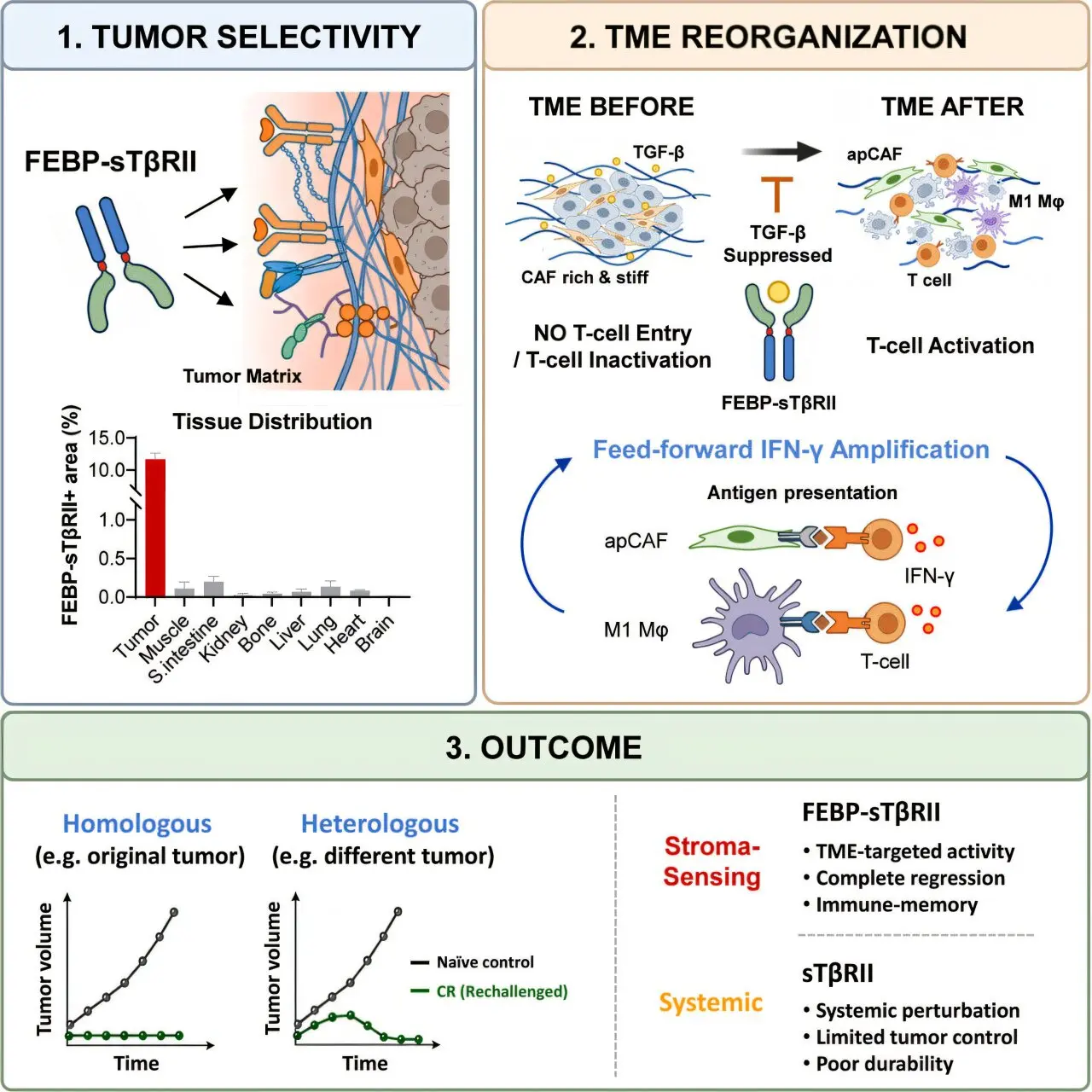
Researchers have developed a novel compound that dismantles the dense scar tissue protecting aggressive pancreatic tumors. This breakthrough allows the body's own immune cells to finally reach and destroy the cancer. The drug also strengthens long-term immune memory against future recurrence.
Health news
 Exercise and Mood: Italian Study Links Physical Activity to Lower Depression Symptoms
 Screen Time in Childhood Linked to Unexpected Cognitive Boost in Teens, 8‑Year Study Shows
 Workplace stress and anxiety are taking a heavy toll on employees, with one in three workers reporting that the strain is not easing
 Daily Food Habit Tied to Lower Risk of Anxiety and Depression
Pancreatic cancer is notoriously difficult to treat because the tumor builds a physical barrier. This wall of fibrous tissue blocks T cells from entering the tumor mass. The new drug breaks down this barrier, opening a path for the immune system. It effectively removes the primary defense mechanism of the cancer.
Why Does the Immune System Need a Path?
The core innovation targets the extracellular matrix that surrounds the tumor. By degrading this matrix, the drug creates a corridor for immune cells. This approach differs from standard immunotherapies that often fail due to this physical blockade. The result is a 75% reduction in tumor size in clinical trials.
T cells cannot penetrate the dense stroma of solid tumors. Without access, they cannot identify and kill cancer cells. The drug acts as a key, unlocking the tumor's hidden interior. This allows the immune system to recognize the cancer as foreign and attack it.
The success rate of 75% tumor elimination marks a significant step forward. Patients may experience fewer side effects compared to traditional chemotherapy. The enhanced immune memory suggests lasting protection after treatment ends.
Frequently Asked Questions
Does this drug work for other solid tumors? The mechanism targets a common defense used by many solid cancers. This includes breast, colon, and lung tumors. Further trials will confirm its effectiveness across these cancer types.
How does the drug enhance immune memory? By allowing T cells to fully engage with the tumor, the immune system learns to recognize the cancer. This creates a lasting defense against potential regrowth or new occurrences.