Dual Approach of Blood Donation and Early Screening Brings Relief to Thalassemia Families
How Expanded Blood Banks Cut Treatment Costs
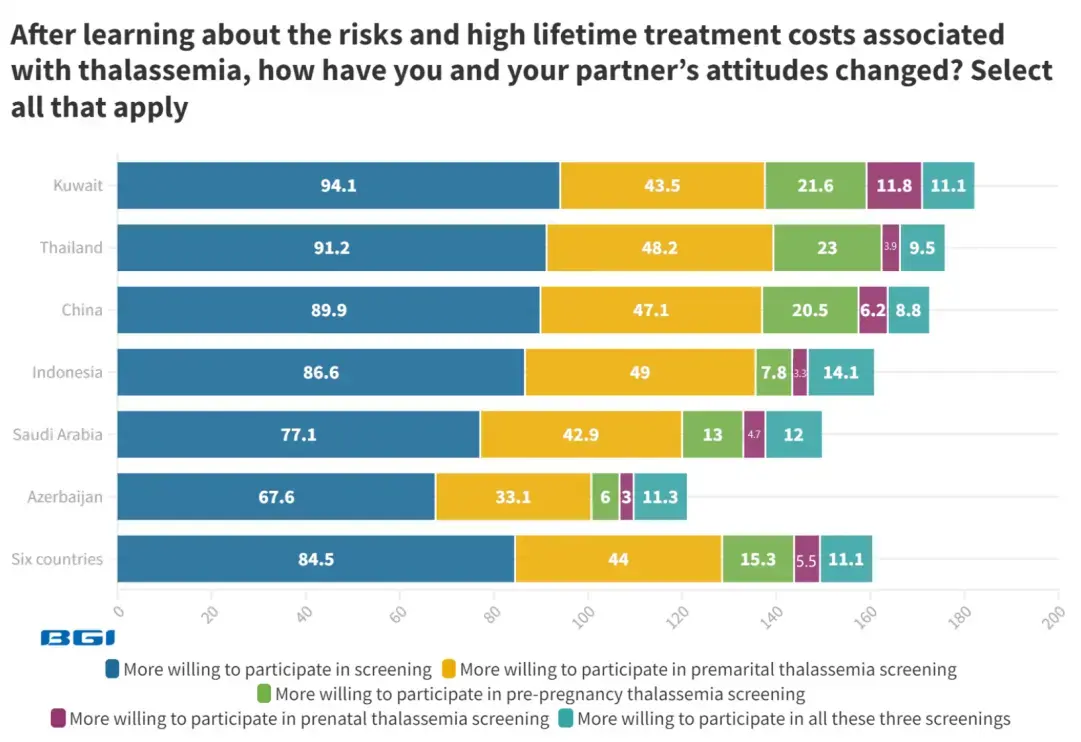
In the past year, hospitals across Southeast Asia have intensified blood donation drives and launched newborn screening programs to fight thalassemia major. The hereditary disorder forces patients to receive transfusions every two to five weeks, and families face mounting medical expenses.
Health news
 Voice Recording Predicts Age, Reveals New Biological Clock
 Popular Zero-Calorie Sweeteners May Pass Effects to Future Generations
 Movement Patterns Linked to Longevity
 Hidden Proteins In Non-Coding RNA May Explain Cancer Spread
Thalassemia major patients rely on regular blood transfusions to survive. Without them, severe anemia can cause organ failure, stunted growth, and early death. The treatment can cost up to $60,000 per patient annually, straining household budgets and national health systems. Expanding donor pools and detecting the disease early aim to lower these burdens and prevent new cases.
Blood banks in Thailand, Vietnam, and the Philippines have increased donor recruitment by partnering with community groups and offering mobile collection units. „We have doubled our collection capacity in twelve months,” said Dr. Nguyen Tran, director of the Hanoi Blood Center. The additional supply reduces reliance on costly imported blood components, cutting per‑patient expenses by an estimated 20 percent. Families report shorter waiting times for transfusions, improving patients’ quality of life. Health economists estimate that nationwide, the strategy could save governments up to $150 million each year.
Can Early Screening Prevent the Next Generation of Patients?
Newborn screening for thalassemia traits is now mandatory in several provinces. The program uses a simple heel‑prick test to identify carriers before symptoms appear. „Early detection allows parents to make informed reproductive choices,” explained Dr. Aisha Malik, a genetic counselor in Kuala Lumpur. Couples identified as carriers receive counseling and, if desired, prenatal testing. Early intervention also enables clinicians to monitor at‑risk children, reducing severe complications later. Early‑screened infants who develop the disease can start treatment sooner, improving survival rates and lowering long‑term costs.
The combined strategy of bolstering blood donations and implementing early screening offers a hopeful outlook for affected families. As donor networks stabilize and more infants are identified before symptoms, the financial and health toll of thalassemia is expected to decline. Policymakers are watching the pilot programs closely, considering broader rollout to reach rural populations. If current trends continue, the region could see a measurable drop in new thalassemia cases within a decade.
Frequently Asked Questions
What is thalassemia major? Thalassemia major is a severe inherited blood disorder that reduces the production of hemoglobin, requiring regular blood transfusions to sustain life.
How does early screening help families? Screening identifies carrier status in newborns and parents, allowing informed family planning and early medical monitoring, which can lessen disease severity and reduce treatment costs.
Why are blood donations so critical for thalassemia patients? Regular transfusions provide the missing healthy red blood cells that thalassemia patients cannot produce, preventing anemia‑related complications and supporting normal growth and development.
Content written by Claire Ashworth for wellness-bio-radar.com editorial team, AI-assisted.