Aged Brain Cells Release Protein Linked to Memory Loss
The Role of Zombie Cellsin Cognitive Decline
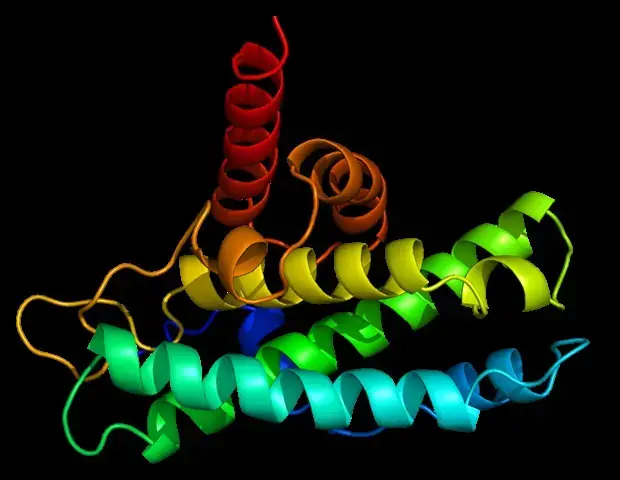
Scientists at Weill Cornell Medicine have identified a protein secreted by aging brain immune cells. This protein can disrupt the function of other brain cells. The discovery offers new insights into how the brain's memory and thinking abilities decline with age. It also explains why the brain becomes more vulnerable to diseases.
Health news
 Early Detection of Alzheimer’s: Blood Test Meets Digital App
 Diabetic Retinal Gene Therapy Shows Early Promise After Three Years
 Study Links Pregnancy Complications to Future Heart and Kidney Disease
 Study identifies RGS4 protein as potential target for chronic pain
The research focused on brain-resident immune cells that enter a state called „senescence.”These senescent cells, often called „zombie cells,”stop dividing but remain metabolically active. They release various substances, including the newly identified protein, which can harm surrounding healthy cells.
How Can We Combat This Cellular Aging Process?
Senescent cells accumulate in tissues as we age. In the brain, these cells contribute to a chronic inflammatory environment. This inflammation is a known factor in neurodegenerative conditions. The secreted protein acts as a signal, spreading dysfunction to nearby neurons and other support cells. This process directly impacts cognitive functions like memory and learning. Understanding this mechanism could lead to new treatments for age-related cognitive impairment.
The research suggests that targeting these senescent immune cells or blocking the protein they release could be a therapeutic strategy. Removing these zombie cellsor neutralizing their harmful secretions might protect brain function. This approach could potentially slow down or even prevent age-related cognitive decline. Further studies are needed to develop and test such interventions in humans.
What are senescent brain immune cells? These are immune cells in the brain that have stopped dividing due to age. They remain active and release substances that can damage other brain cells, contributing to inflammation and cognitive decline.
Frequently Asked Questions
How does this protein affect brain function? The protein secreted by senescent cells causes dysfunction in healthy brain cells. This disruption interferes with normal neural processes, leading to impairments in memory, learning, and other cognitive abilities.
What are the potential implications of this discovery? This finding could lead to new treatments for age-related cognitive decline and neurodegenerative diseases. Therapies might focus on removing senescent cells or blocking the harmful effects of the protein they release.
Content written by Marcus Reid for wellness-bio-radar.com editorial team, AI-assisted.