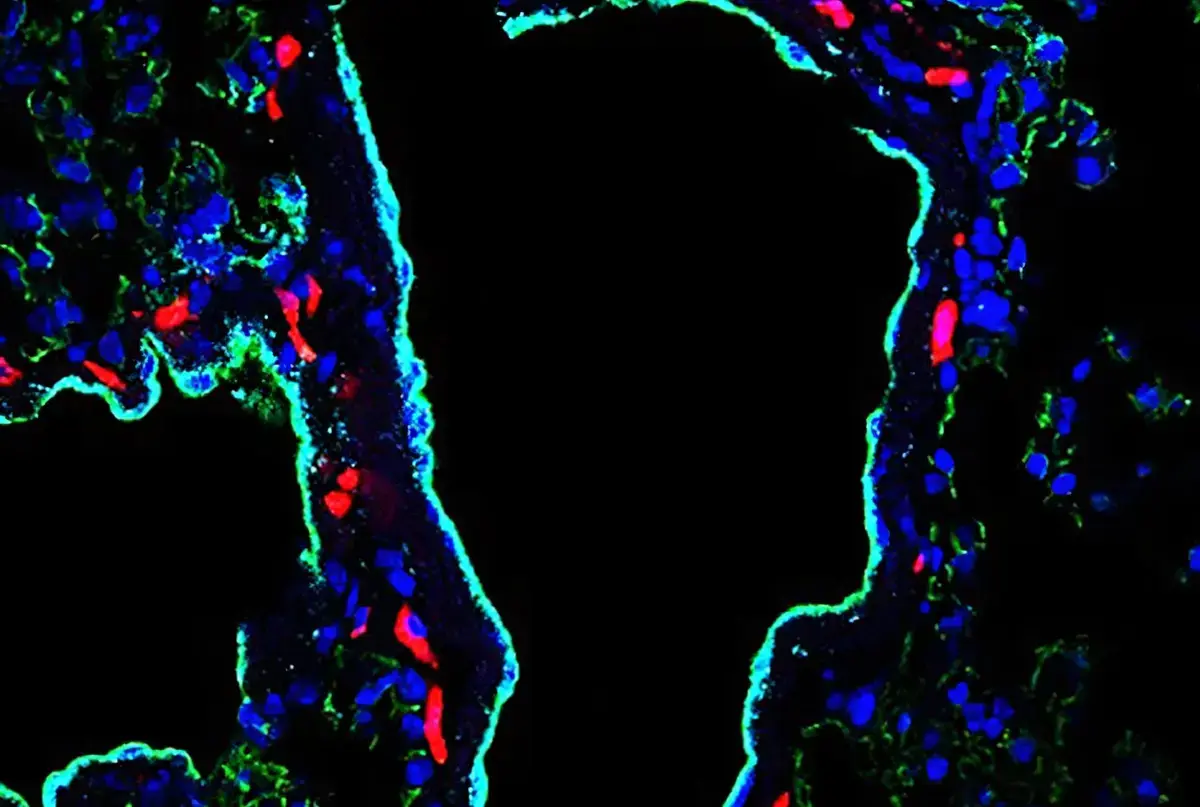
Tumor Protein Creates Leaky Blood Vessels, Boosting Cancer Spread
How Does This Protein Promote Metastasis?
A newly identified protein, secreted by several common cancers, makes blood vessels more permeable. This discovery sheds light on how tumors metastasize, or spread, throughout the body. The protein specifically targets vessels in the lungs, creating an easier path for cancer cells to establish new growths.
Health news
 Sleep May Be the Heart's Nightly Repair Window, Study Suggests
 APOE Genotype Influences How Well Blood Tau Protein Predicts Cognitive Decline
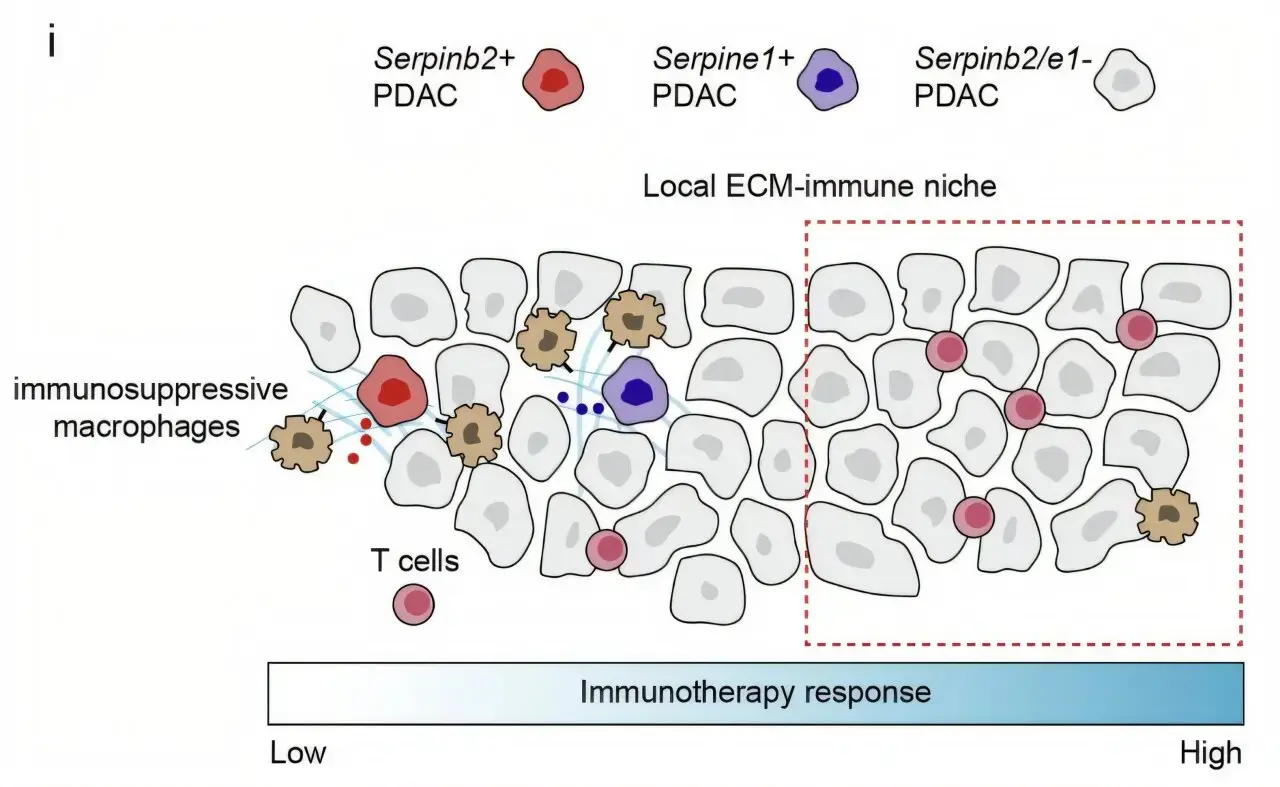 Pancreatic Cancer Hijacks Blood-Clotting System to Evade Immune Attack
 Survey Reveals Most Men Unaware Dairy May Increase Prostate Cancer Risk
This finding could lead to new treatments that block this protein's action. Such therapies might prevent cancer from spreading, a major cause of cancer-related deaths. The research focused on how primary tumors influence distant organs even before cancer cells arrive.
The protein, called Serpin E2, is released by tumors into the bloodstream. It then travels to the lungs and acts on the blood vessels there. Serpin E2 disrupts the tight junctions between endothelial cells, which form the inner lining of blood vessels. This disruption creates gaps, making the vessels „leakier.”These leaky vessels then allow circulating tumor cells to more easily exit the bloodstream. Once outside the vessels, these cells can invade the lung tissue and form secondary tumors. The study used advanced imaging techniques to observe this process in real-time.
Can We Stop This Process?
Researchers believe that targeting Serpin E2 could be a promising therapeutic strategy. By inhibiting this protein, it might be possible to keep blood vessels intact and prevent cancer cells from escaping. This could significantly reduce the incidence of metastasis, particularly in the lungs, a common site for secondary tumors.
Further research is needed to develop drugs that specifically block Serpin E2. If successful, these drugs could be used in conjunction with existing cancer treatments. The goal is to improve patient outcomes by stopping cancer's deadly spread.
Frequently Asked Questions
What is Serpin E2? Serpin E2 is a protein secreted by primary tumors. It travels through the bloodstream and makes blood vessels in the lungs more permeable, facilitating the spread of cancer.
How does Serpin E2 affect blood vessels? It breaks down the tight connections between the cells lining blood vessels. This creates gaps, allowing cancer cells to pass through the vessel walls and into surrounding tissue.
What is the significance of this discovery for cancer treatment? Understanding Serpin E2's role opens the door for new therapies. Drugs that block this protein could potentially prevent cancer from spreading to other parts of the body, improving patient survival.
Content written by Dr. Nathan Cole for wellness-bio-radar.com editorial team, AI-assisted.