UCSD Bioengineers Create Drug-Triggered Protein Switch for Safer Gene Therapy
A Molecule That Listens to Medicine
Researchers at the University of California, San Diego, have engineered a molecular switch that lets oral drugs turn on or off the production of therapeutic proteins inside cells. This development aims to solve a critical safety gap in gene therapy, where treatments for chronic conditions often lack a way to pause or stop protein production after administration.
Health news
 Exercise and Mood: Italian Study Links Physical Activity to Lower Depression Symptoms
 Screen Time in Childhood Linked to Unexpected Cognitive Boost in Teens, 8‑Year Study Shows
 Workplace stress and anxiety are taking a heavy toll on employees, with one in three workers reporting that the strain is not easing
 Daily Food Habit Tied to Lower Risk of Anxiety and Depression
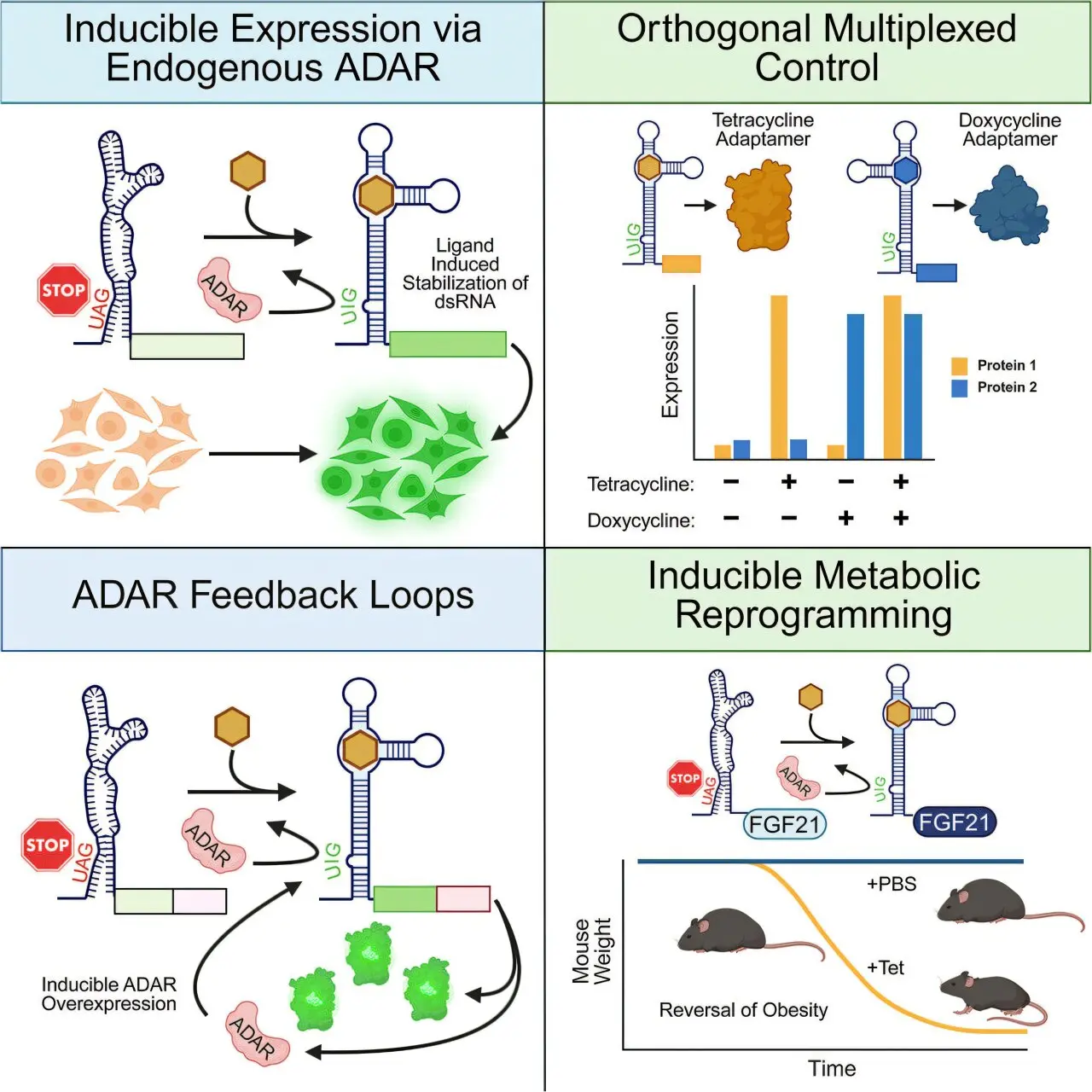
The technology uses an RNA-based mechanism that responds to small-molecule drugs. When the drug is present, the switch activates; when the drug is withdrawn, protein production halts. This gives clinicians a precise control lever for managing long-term treatments.
The core innovation is an RNA construct that binds to a specific drug molecule. This binding event triggers the expression of the therapeutic gene. Without the drug, the RNA switch remains silent. The system effectively decouples gene therapy from permanent, irreversible expression.
How Does This Change Treatment for Chronic Illness?
This approach directly addresses the problem of once and donegene therapies that cannot be adjusted after the initial dose. For chronic diseases requiring ongoing management, the ability to modulate protein levels in response to patient needs is a significant advancement.
By linking protein production to drug intake, doctors can fine-tune therapy based on patient symptoms and side effects. If a patient experiences adverse reactions, stopping the drug stops the protein output. This creates a feedback loop that enhances safety and personalization.
The technology is currently in preclinical stages. Researchers are testing its stability and efficacy in cell models before moving to animal studies. The goal is to create a platform that can be adapted for various therapeutic proteins and disease targets.
Frequently Asked Questions
Can this switch be used for any gene therapy? The platform is designed to be modular. Researchers can swap in different therapeutic genes while keeping the same drug-triggered RNA switch mechanism.
How does the drug trigger work at the molecular level? The RNA switch contains a binding site for the small-molecule drug. Drug binding changes the RNA structure, allowing the cell's machinery to read the therapeutic gene and produce the protein.
Is this technology ready for clinical use? No. It is in the preclinical phase. The team is validating the system in vitro and in animal models to ensure safety and efficacy before human trials.