Ancient Dental Calculus Reveals Japan's Oral Microbiome Shifts
Uncovering the Past: Oral Health in Ancient Japan
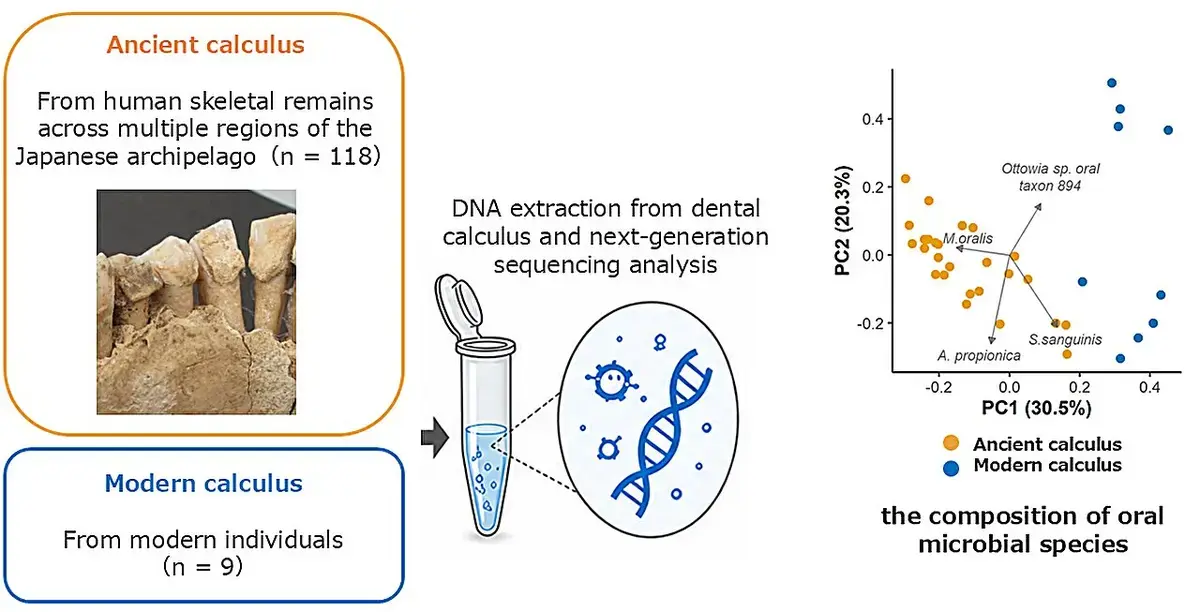
Researchers analyzed dental calculus from Japanese skeletons spanning 3,000 years to characterize the oral microbiomes of the Japanese population across time. The study covered skeletons from the Jomon, Yayoi, and Edo periods. Samples were collected from various archaeological sites across Japan.
Health news
 Sleep May Be the Heart's Nightly Repair Window, Study Suggests
 APOE Genotype Influences How Well Blood Tau Protein Predicts Cognitive Decline
 Pancreatic Cancer Hijacks Blood-Clotting System to Evade Immune Attack
 Survey Reveals Most Men Unaware Dairy May Increase Prostate Cancer Risk
The team used advanced DNA sequencing techniques to extract and analyze microbial DNA from the dental calculus. This allowed them to reconstruct the oral microbiomes of ancient Japanese populations and compare them to modern oral microbiomes.
The study found significant changes in the oral microbiome over time, reflecting shifts in diet, lifestyle, and disease prevalence. For example, the Jomon period, characterized by a hunter-gatherer diet, had a distinct oral microbiome compared to the Yayoi period, which saw the introduction of agriculture and changes in diet.
How Did Diet and Lifestyle Shape Oral Health?
The Edo period, marked by urbanization and changes in diet, showed further shifts in the oral microbiome. The researchers noted an increase in bacteria associated with oral diseases such as periodontitis.
The changes in the oral microbiome were likely driven by changes in diet and lifestyle. The introduction of new foods, such as rice and soybeans, and changes in food preparation methods may have contributed to the shifts in the oral microbiome.
The study's findings have implications for our understanding of the evolution of oral diseases and the impact of lifestyle changes on oral health. As the global population continues to urbanize and adopt new diets, understanding the historical context of oral health may provide valuable insights into preventing and treating oral diseases.
Frequently Asked Questions
What did the study find about the Jomon period oral microbiome? The Jomon period oral microbiome was distinct and reflected a hunter-gatherer diet. It had a different composition compared to later periods.
How did the introduction of agriculture affect oral health? The introduction of agriculture in the Yayoi period led to changes in the oral microbiome, likely due to changes in diet. This may have contributed to an increased risk of oral diseases.
What are the implications of the study's findings for modern oral health? The study's findings provide insights into the historical context of oral health and may help inform strategies for preventing and treating oral diseases in modern populations.
Content written by Dr. Nathan Cole for wellness-bio-radar.com editorial team, AI-assisted.