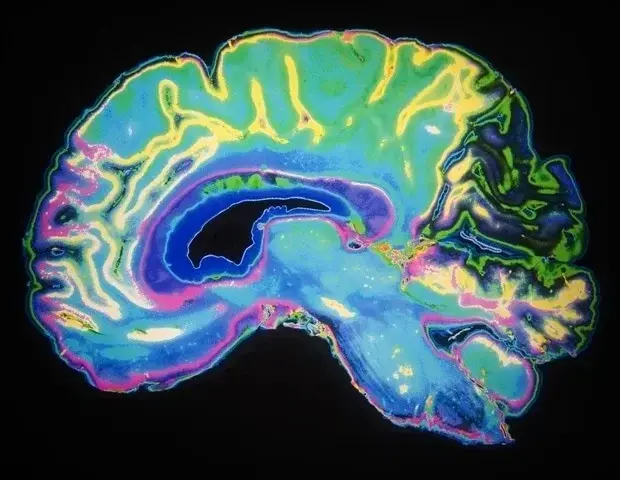
Brain Rewiring Unlocks Mastery of Complex Skills
Bypassing the Prefrontal Bottleneck
Georgetown University researchers recently discovered how the human brain physically restructures itself to automate difficult tasks. Published in June 2026, the study reveals that the brain bypasses the prefrontal cortex—the area responsible for conscious thought—to streamline performance. This breakthrough fundamentally shifts our understanding of how people achieve high-level proficiency in complex activities.
Health news
 Sleep May Be the Heart's Nightly Repair Window, Study Suggests
 APOE Genotype Influences How Well Blood Tau Protein Predicts Cognitive Decline
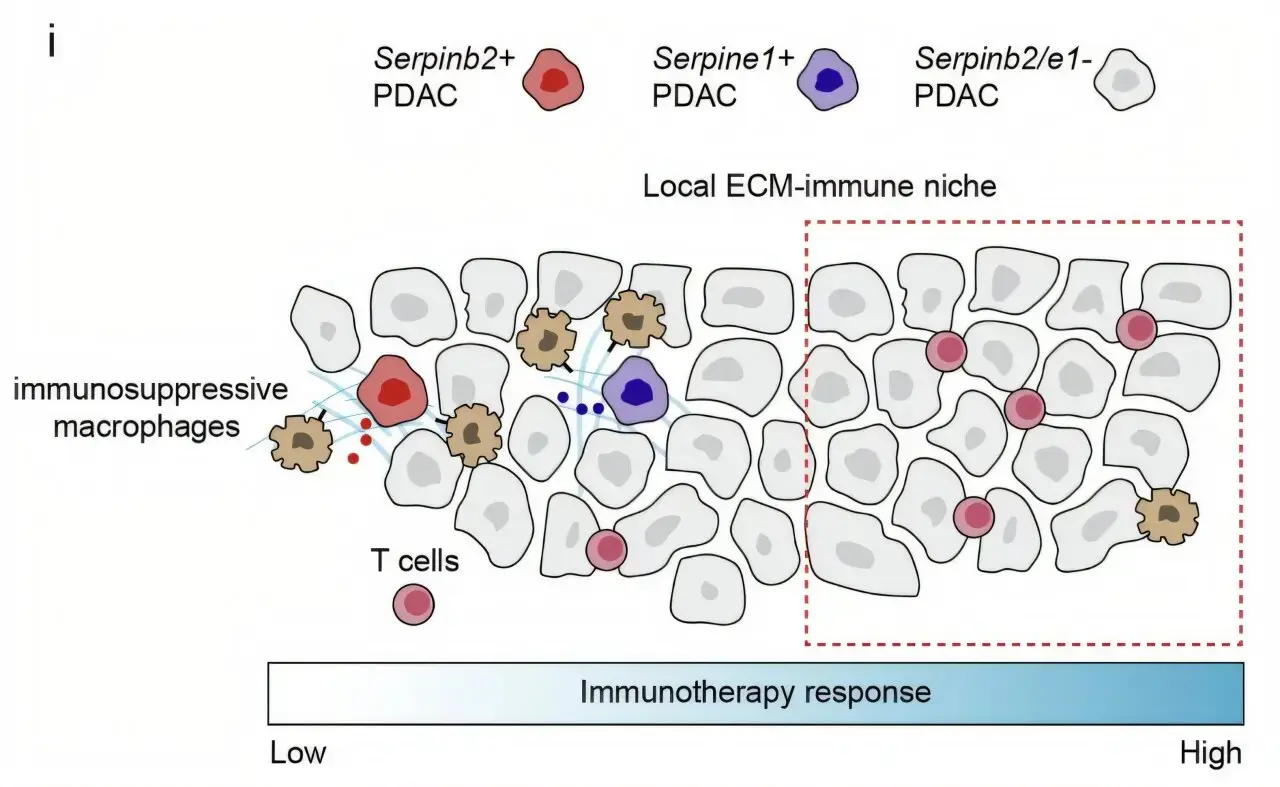 Pancreatic Cancer Hijacks Blood-Clotting System to Evade Immune Attack
 Survey Reveals Most Men Unaware Dairy May Increase Prostate Cancer Risk
The brain typically relies on the prefrontal cortex to manage new, demanding information. However, as a skill becomes ingrained, neural pathways shift toward more efficient regions. This transformation allows individuals to execute intricate actions without active mental oversight. By moving these processes into an automated state, the brain frees up cognitive resources for other simultaneous tasks.
This neural transition explains why experts can perform complicated maneuvers while maintaining casual conversations. The prefrontal cortex acts as a bottleneck for beginners because it processes every detail consciously. Once the brain remodels its connectivity, these actions move into a secondary system. This shift effectively removes the mental strain usually associated with learning.
Can Practice Truly Automate Genius?
The research suggests that true multitasking is not just a myth but a biological reality for the highly skilled. When a task becomes automatic, it no longer competes for the limited bandwidth of the conscious mind. This discovery provides a scientific basis for how humans can juggle multiple sophisticated responsibilities at once.
The findings offer a new perspective on the limits of human capability. By understanding the mechanisms of neural remodeling, scientists hope to improve training methods for professional fields. Future applications could range from accelerating language acquisition to optimizing performance in high-stakes environments like medicine or aviation.
Frequently Asked Questions
This study confirms that the brain is far more adaptable than previously assumed. As we continue to map these internal shifts, the potential to enhance human learning becomes increasingly tangible. Mastering complex skills is not merely about repetition; it is about physically changing the brain to handle information with greater speed and ease.
What does it mean to bypass the prefrontal cortex? It means the brain shifts control of a task from the conscious, analytical center to more efficient, automated neural circuits. This allows for fluid performance without active thinking.
Does this research prove we can multitask effectively? Yes, it suggests that once a skill is sufficiently automated, it no longer requires the brain's limited conscious focus. This allows individuals to perform learned tasks while simultaneously processing new information.
Content written by Claire Ashworth for wellness-bio-radar.com editorial team, AI-assisted.