
Genetic Material Fills the Air
Unlocking the Secrets of Airborne DNA
Scientists have begun to tap into the air as a source of genetic information, gathering DNA from the atmosphere. Researchers have long extracted DNA from water and soil, but airborne DNA is a relatively new area of study. This development has sparked interest in 2026.
Health news
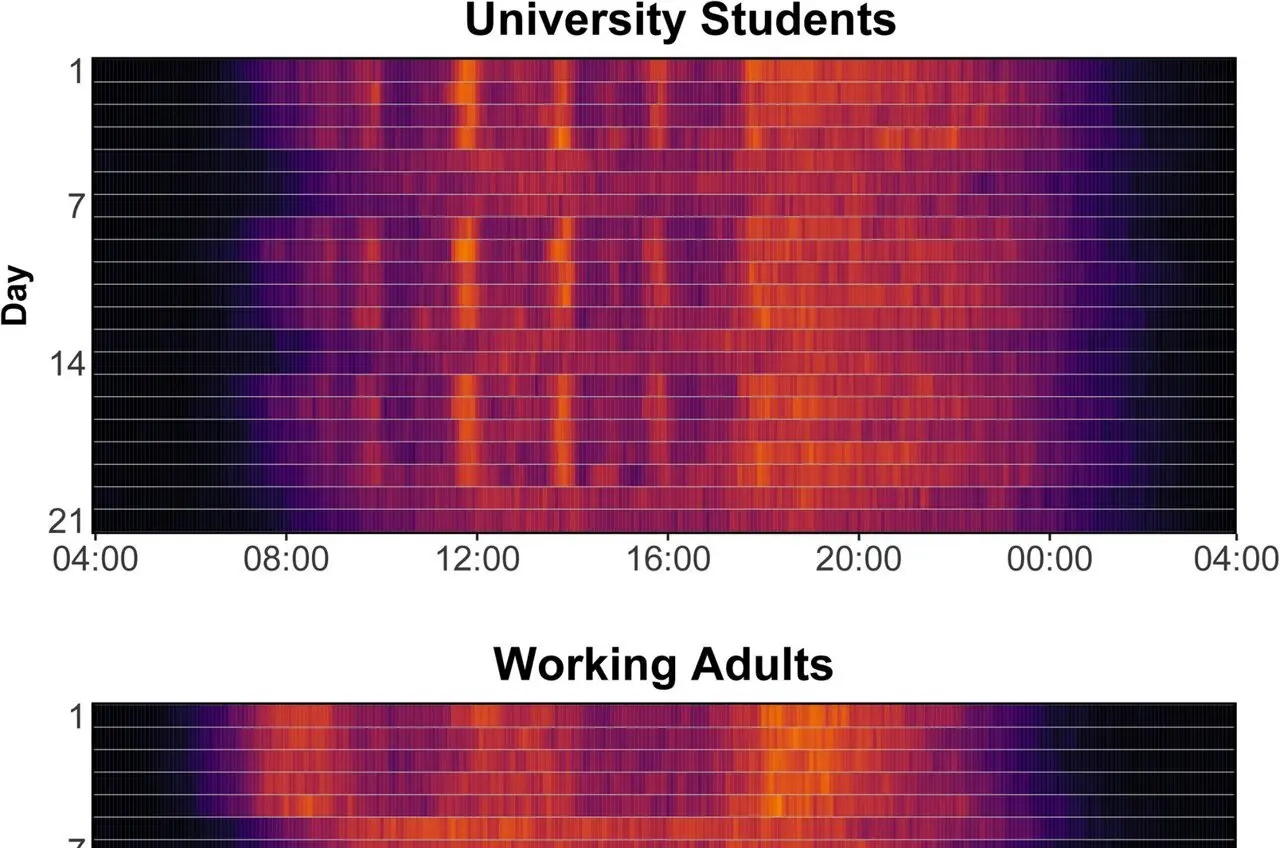 Students Lagg Behind Seniors in Physical Activity, Study Shows
 Sleep May Be the Heart's Nightly Repair Window, Study Suggests
 APOE Genotype Influences How Well Blood Tau Protein Predicts Cognitive Decline
 Pancreatic Cancer Hijacks Blood-Clotting System to Evade Immune Attack
The abundance of airborne DNA is being explored for its potential uses, including monitoring individual species and assessing conservation efforts. Researchers hope to harness this genetic material to gain insights into the natural world. By analyzing DNA in the air, scientists can identify and track various organisms.
Airborne DNA can be collected using specialized equipment, such as filters or samplers, which capture tiny particles and genetic material. Researchers then analyze the DNA to identify the species present. This technique has already shown promise in monitoring specific species, such as invasive pests or endangered animals.
Can Airborne DNA Revolutionize Conservation?
Studies have demonstrated that airborne DNA can be used to detect a wide range of organisms, from plants to animals. For example, researchers have used airborne DNA to identify the presence of certain bird species in a given area. The data collected can be used to inform conservation efforts and monitor the effectiveness of management strategies.
The use of airborne DNA has the potential to revolutionize the field of conservation biology. By providing a non-invasive and efficient means of monitoring species, researchers can gain a better understanding of ecosystems and make more informed decisions. As the technology continues to develop, it is likely that airborne DNA will become a valuable tool in the conservation toolkit.
The consequences of this technology are significant, with potential applications in fields such as ecology, conservation, and environmental monitoring. As researchers continue to explore the possibilities of airborne DNA, it is likely that new and innovative uses will emerge.
Frequently Asked Questions
Q: How is airborne DNA collected? A: Airborne DNA is collected using specialized equipment, such as filters or samplers, which capture tiny particles and genetic material.
Q: What are the potential applications of airborne DNA? A: Airborne DNA has potential applications in fields such as ecology, conservation, and environmental monitoring, including monitoring individual species and assessing conservation efforts.
Q: Can airborne DNA be used to detect invasive species? A: Yes, airborne DNA can be used to detect invasive species, providing an early warning system for potential ecological threats.
Content written by Marcus Reid for wellness-bio-radar.com editorial team, AI-assisted.