Lab-Grown Heart Cells Reach New Maturity
Mimicking the Natural Heart Environment
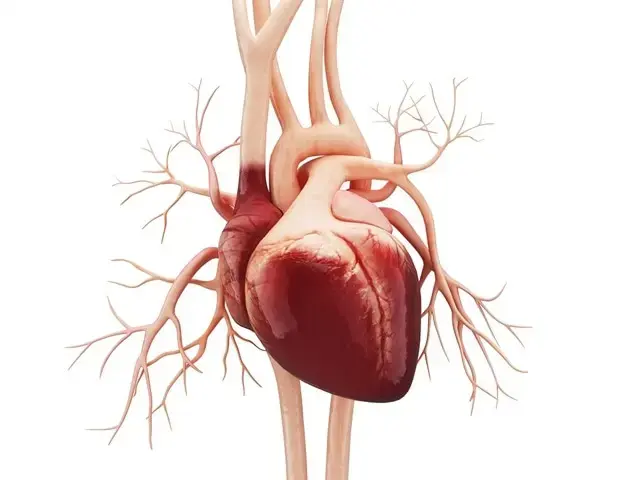
University of Toronto engineers have created a new technique. It allows lab-grown heart cells to develop more like adult human tissue. This advancement promises improved research into heart disease and potential therapies. The work occurred at the Institute of Biomedical Engineering, announced May 5, 2026.
Health news
 Sleep May Be the Heart's Nightly Repair Window, Study Suggests
 APOE Genotype Influences How Well Blood Tau Protein Predicts Cognitive Decline
 Pancreatic Cancer Hijacks Blood-Clotting System to Evade Immune Attack
 Survey Reveals Most Men Unaware Dairy May Increase Prostate Cancer Risk
The team focused on optimizing the environment for these cells. Currently, lab-grown heart cells often remain immature. This limits their usefulness in accurately modeling heart function. Researchers altered the chemical composition of the growth medium. This encouraged the cells to mature and exhibit characteristics of adult heart muscle. The goal is to create more realistic models for studying heart conditions.
The key to success lay in fine-tuning the cellular „cocktail.” Researchers systematically adjusted the levels of various growth factors and nutrients. They observed how these changes impacted cell development. This meticulous approach revealed specific combinations that promoted maturation. The matured cells began to beat more synchronously and developed a stronger, more organized structure. This closely mirrors the behavior of healthy adult heart tissue.
Can This Replace Animal Testing?
„We’ve essentially found a way to nudge these cells along their natural developmental pathway,” explained a researcher involved in the project. „They respond to these optimized conditions by behaving more like the cells they’re meant to become.” The team used advanced imaging techniques to confirm the changes. They observed increased expression of genes associated with mature heart muscle.
This breakthrough could significantly reduce reliance on animal models. Currently, many heart disease studies rely on testing in animals. Lab-grown human heart cells offer a more relevant and ethical alternative. Researchers can study disease mechanisms and test potential drugs directly on human tissue. This increases the accuracy and translational potential of their findings.
The matured cells also provide a better platform for personalized medicine. Scientists could potentially grow heart cells from a patient’s own tissue. This allows them to test the effectiveness of different treatments tailored to that individual. This approach could revolutionize the way heart disease is treated.
The team plans to further refine the maturation process. They aim to create even more realistic and functional heart tissue models. This research opens new avenues for understanding and treating heart disease. It also represents a significant step forward in the field of regenerative medicine.
Frequently Asked Questions
What are the biggest limitations of current lab-grown heart tissue? Current methods often produce immature cells. These cells don’t fully replicate the complex behavior of adult heart muscle. This limits their usefulness in research and drug testing.
How does this new method improve upon existing techniques? This technique focuses on precisely controlling the chemical environment. It encourages cells to mature naturally. This results in cells that more closely resemble adult human heart tissue.
Could this technology eventually lead to growing entire replacement hearts? While growing a complete heart is still a long-term goal, this research is a crucial step. It demonstrates the potential to engineer functional heart tissue. It paves the way for future advancements in regenerative medicine.
Content written by Dr. Elena Voss for wellness-bio-radar.com editorial team, AI-assisted.