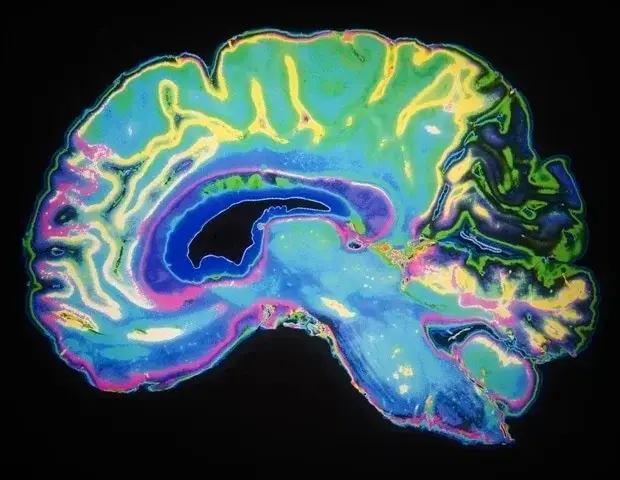
Breakthrough in Paralysis Research: Lab-Grown Circuits Reveal New Hope
Reversing Irreversible Damage?
Scientists at the University of Cambridge have made a significant discovery in the field of paralysis research. Researchers grew miniature brain and spinal cord circuits in the lab, mimicking human connections, on May 28, 2026.
Health news
 Sleep May Be the Heart's Nightly Repair Window, Study Suggests
 APOE Genotype Influences How Well Blood Tau Protein Predicts Cognitive Decline
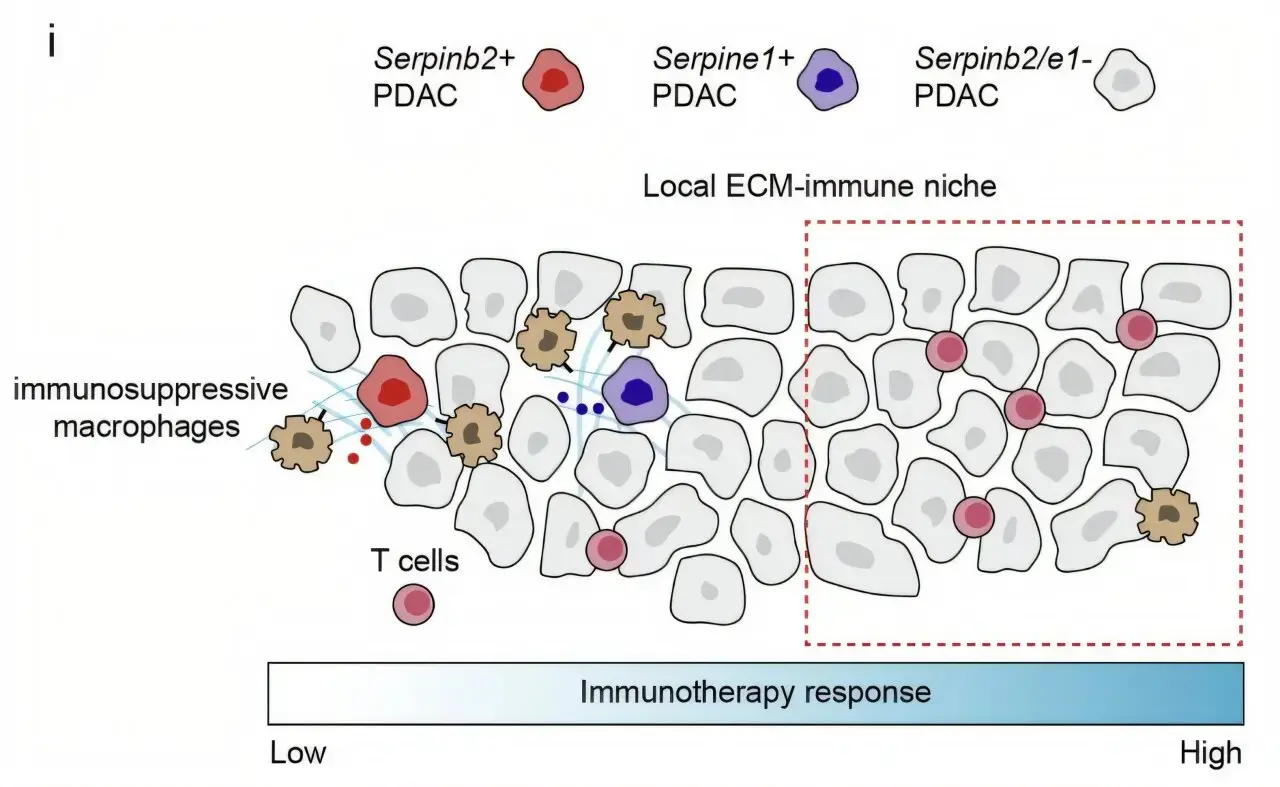 Pancreatic Cancer Hijacks Blood-Clotting System to Evade Immune Attack
 Survey Reveals Most Men Unaware Dairy May Increase Prostate Cancer Risk
The team used this model to demonstrate that damage to these connections, previously thought to be irreversible, could potentially be reversed. As humans develop from embryo to fetus, complex neural circuits form, enabling movement and function.
The lab-grown circuits allowed researchers to study the intricate relationships between brain and spinal cord cells. By replicating the connections in a controlled environment, scientists gained insight into the underlying causes of paralysis. This breakthrough could lead to novel treatments for patients with spinal cord injuries.
Can We Regain Lost Functionality?
The Cambridge team showed that certain types of damage could be repaired by re-establishing communication between brain and spinal cord cells. This challenges the long-held notion that such damage is permanent.
Further research using the lab-grown circuits revealed potential pathways for recovery. By understanding how to rewire and repair damaged connections, scientists may be able to develop new therapies to restore motor function in paralyzed patients.
The discovery has significant implications for the treatment of paralysis and spinal cord injuries. As researchers continue to explore the possibilities of lab-grown circuits, patients may benefit from innovative new treatments.
Frequently Asked Questions
Q: What is the significance of the lab-grown circuits? A: The miniature circuits mimic human brain and spinal cord connections, allowing researchers to study paralysis and potential treatments. This breakthrough could lead to new therapies.
Q: Can the research be applied to human patients? A: While still in the early stages, the discovery has the potential to lead to novel treatments for paralysis and spinal cord injuries.
Q: What are the next steps in the research? A: Scientists will continue to study the lab-grown circuits to understand the mechanisms behind paralysis and develop new treatments.
Content written by Dr. Nathan Cole for wellness-bio-radar.com editorial team, AI-assisted.