RNA Testing Reveals 171 Mutations Behind MET Exon 14 Skipping in Lung Cancer
How RNA Sequencing Captured Hidden Mutations
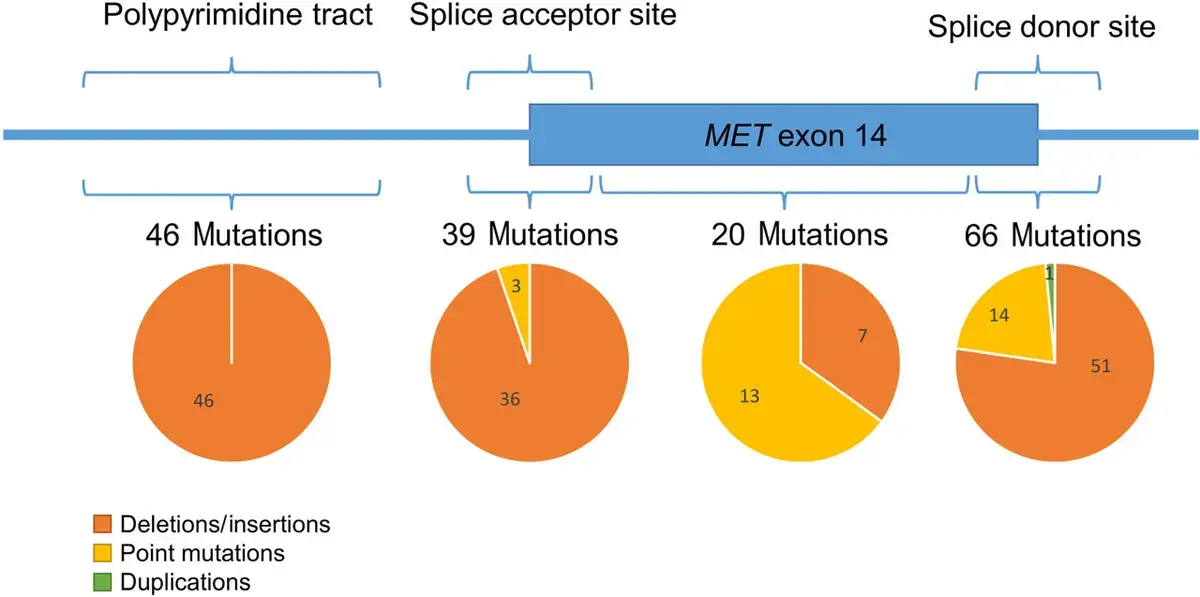
A collaborative team of scientists from the University of Cambridge and the National Cancer Institute announced in June 2024 that RNA sequencing identified 171 distinct mutations responsible for MET exon 14 skipping in lung‑cancer patients. The study examined tumor samples from more than 2,000 individuals across Europe and North America, highlighting a diagnostic gap in current DNA‑only testing methods.
Health news
 Sleep May Be the Heart's Nightly Repair Window, Study Suggests
 APOE Genotype Influences How Well Blood Tau Protein Predicts Cognitive Decline
 Pancreatic Cancer Hijacks Blood-Clotting System to Evade Immune Attack
 Survey Reveals Most Men Unaware Dairy May Increase Prostate Cancer Risk
The researchers compared conventional DNA panels with a novel RNA‑based assay that directly measures splicing events. They found that many mutations, especially deep intronic changes, were invisible to DNA sequencing but produced the same functional outcome—loss of MET exon 14. By capturing the actual RNA transcripts, the assay clarified which alterations truly drive the oncogenic pathway, enabling more accurate patient selection for MET‑targeted therapies.
RNA analysis revealed that 71 % of the identified mutations lay outside the coding regions typically surveyed by DNA panels. These deep intronic variants created cryptic splice sites, prompting the cellular machinery to skip exon 14. Lead author Dr. Elena Rossi explained, „Our RNA data showed that the tumor’s transcriptome tells a different story than the genome alone.” The team validated the findings by correlating RNA results with protein expression and drug response in cell‑line models. Patients whose tumors harbored RNA‑confirmed skipping responded to MET inhibitors at rates exceeding 45 %, compared with under 20 % when selection relied on DNA data alone.
Can RNA Testing Replace DNA Panels in Clinical Practice?
While the study demonstrates clear advantages, experts caution that RNA testing may not fully supplant DNA profiling. Dr. Michael Chen, a molecular pathologist not involved in the work, noted, „DNA panels still provide essential information about mutational burden and co‑occurring alterations.” However, he added that integrating RNA assays into existing workflows could streamline diagnostics, especially for genes like MET where splicing changes are pivotal. Implementation challenges include tissue preservation, assay cost, and the need for standardized interpretation guidelines.
The discovery reshapes the landscape of precision oncology for non‑small‑cell lung cancer. By uncovering a broader spectrum of MET exon 14‑skipping drivers, clinicians can better match patients to effective MET inhibitors, potentially improving survival outcomes. Ongoing trials will test whether RNA‑guided enrollment boosts response rates and reduces unnecessary treatment. If successful, regulatory bodies may endorse RNA testing as a companion diagnostic, prompting laboratories worldwide to adopt the technology.
Frequently Asked Questions
What is MET exon 14 skipping and why does it matter? MET exon 14 skipping removes a regulatory segment of the MET protein, leading to unchecked signaling that fuels tumor growth. It is a recognized target for specific kinase inhibitors.
How does RNA testing differ from DNA testing? RNA testing examines the actual messenger molecules produced by cells, revealing splicing alterations and expression levels that DNA sequencing cannot detect.
Will patients need both DNA and RNA tests? Most experts suggest a combined approach, using DNA panels for broad mutation detection and RNA assays to confirm functional splicing events like MET exon 14 skipping.
Content written by Dr. Elena Voss for wellness-bio-radar.com editorial team, AI-assisted.